
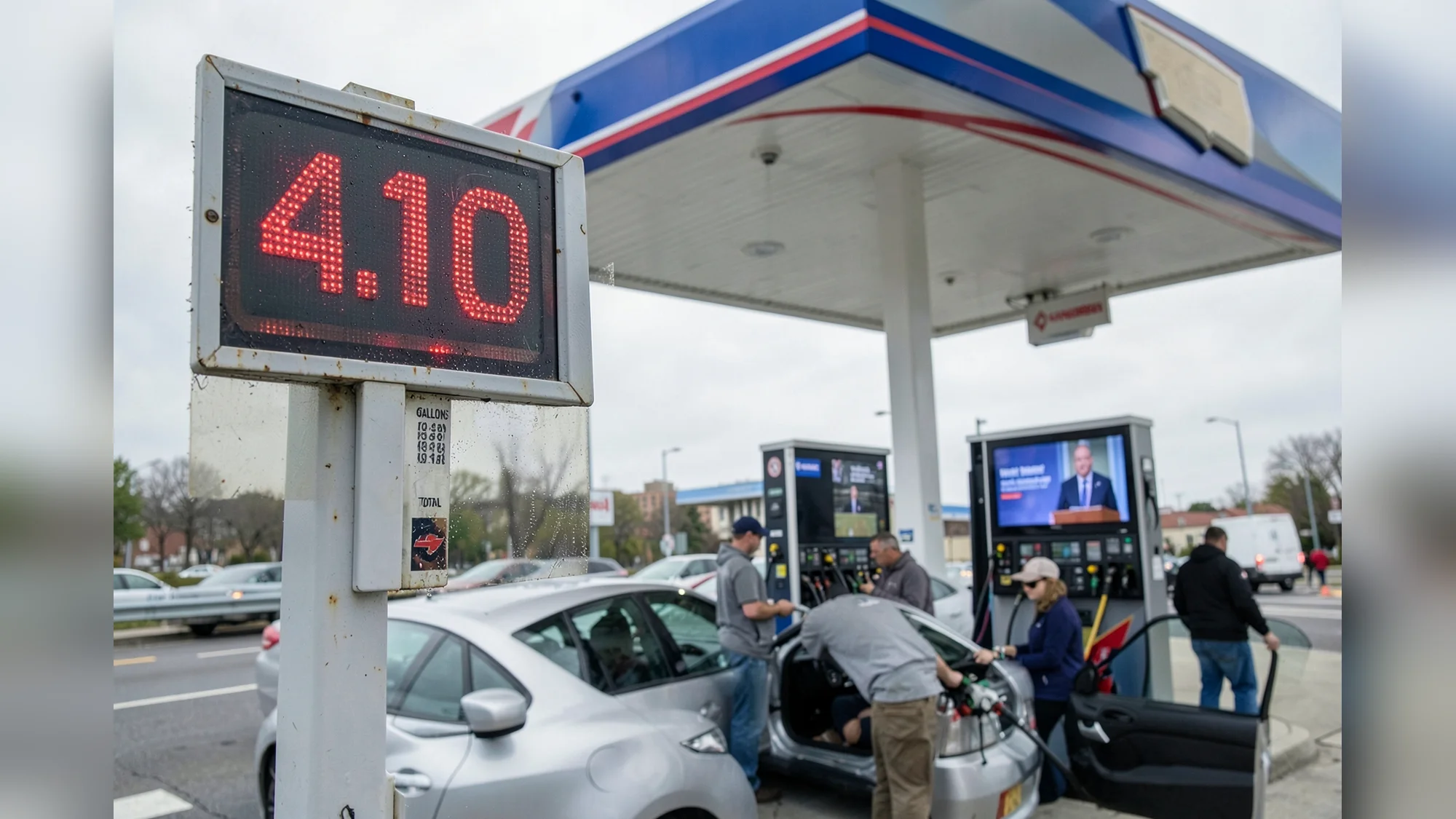
'They're making too much money based on a shortage,' President Donald Trump told reporters at the White House, as Chevron reported about $12.1 billion in second-quarter net income and ExxonMobil posted $14.5 billion. The profits followed a quarter in which U.S. crude futures averaged around $92 a barrel and rose roughly 20 percent since Feb 28, while U.S. gasoline averaged about $4.10 per gallon on Monday, nearly 40 percent above the pre-Feb 28 average, according to AAA. Trump singled out Chevron CEO Mike Wirth and urged both majors to return earnings to the public and cut retail fuel prices, repeating prior threats of further action if prices didn't fall. Markets and consumers reacted quickly, with oil slipping on hopes of fresh Iran talks and pump prices lagging because retailers sell through inventory bought at earlier, higher wholesale prices.
Who is footing the bill for the windfall?
'They're making too much money based on a shortage,' President Donald Trump told reporters, and he told ExxonMobil and Chevron they should return some earnings to the public and cut retail fuel prices. Households are the immediate losers: U.S. drivers paid about $4.10 a gallon on Monday, AAA said, roughly 40 percent more than the $2.98 average before the Feb 28 start of U.S.-Israel strikes on Iran. Refiners and oil producers captured most of the gain through higher downstream and refining margins, while consumers absorbed the added cost at the pump.
Why did profits jump so sharply this quarter?
U.S. crude averaged near $92 a barrel from April through June, and crude prices rose about 20 percent from late February, according to reporting that summarised market averages for the quarter. That spike, combined with damaged regional refining capacity and disrupted Russian refinery output, pushed refining margins far higher. Chevron’s downstream arm swung from a year-earlier loss into multi-billion-dollar profits, and Exxon’s $14.5 billion haul was its largest since the 2022 energy shock.
Oil prices fell about 5 percent on Monday as markets reacted to reports that new negotiations with Iran were due to start, which traders took as a sign of reduced escalation risk. Chevron shares slipped nearly 2 percent and Exxon traded slightly lower after Trump’s remarks. Retail pump prices typically trail futures because stations sell through inventory bought at earlier, higher wholesale prices, which helps explain why motorists didn't see immediate relief even as futures retreated.
Chevron says it's lifting supply, reporting record U.S. production and higher worldwide output year on year. CEO Mike Wirth told investors he saw no obvious demand destruction at significant scale and flagged plans to invest and expand production in places such as Iraq to reduce reliance on chokepoints like the Strait of Hormuz. Company commentary cited the market disruption from the Iran conflict as a principal factor in the quarter’s results.
Related Articles
- Chevron Q1: $1.41 Adjusted EPS, Profit Falls as Buybacks Continue
- Trump reviews Iran plan as Hormuz traffic drops 95%
- Trade truce stakes high as Trump meets Xi in Beijing
U.S. officials said new negotiations with Iran were set to start, a development markets cited as the proximate reason for Monday’s roughly 5 percent drop in oil prices. Originally reported by CNBC.
This article was created with AI assistance.



