
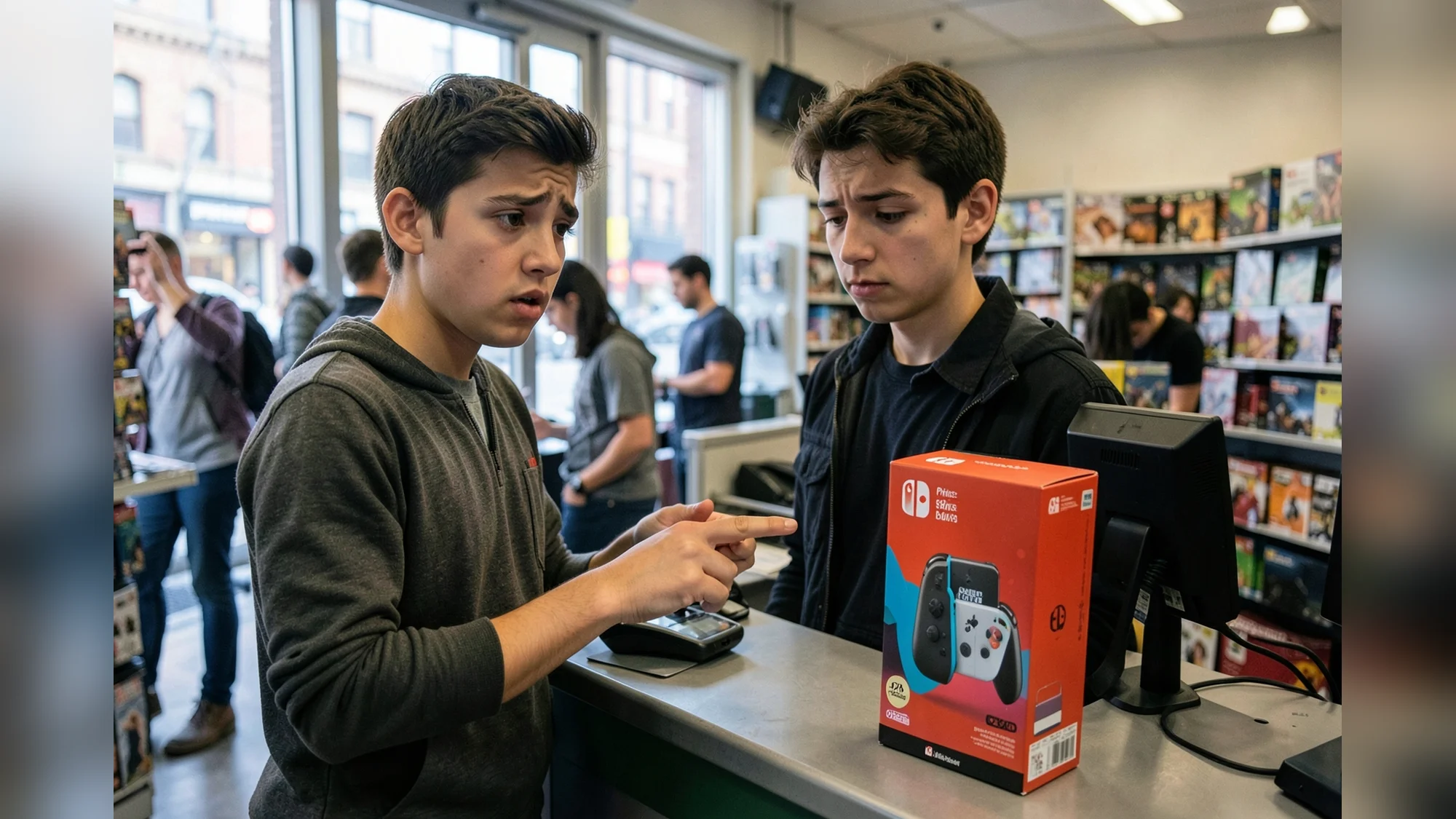
A young shopper in a Brooklyn electronics store hesitated as a Nintendo Switch price jumped on the register, then tapped the card. The price rises, often about US$30 to US$50 across Switch models and an example US$50 for the Switch OLED, were tied to a new US tariff regime later declared unlawful by the US Supreme Court. Oxford Economics calculates roughly US$80 billion in tariffs has already been refunded by the US since May, with interest paid at rates up to 7 per cent, and says a similar volume of refunds should flow back to global businesses over the coming year. The legal fight has split companies and consumers, with Nintendo suing the White House for repayment in March and facing a consumer class action in April that it's now asking a judge to dismiss.
He stood at the counter, the price blinked higher, and a small purchase turned into a protest of policy rather than product. That moment, in mid-2025, repeated itself across millions of checkouts after the US introduced a tariff programme that led several manufacturers to raise retail prices on consoles and accessories.
Nintendo was among those that passed on the added cost. Retail increases were reported across the Switch line in the range of about US$30 to US$50, with one cited example a US$50 jump for the Switch OLED after the duties were announced. When the US Supreme Court struck down the administration's tariff authority in February 2026, the policy reversal created two immediate problems for companies and customers: who gets refunded, and who bears the cost meanwhile.
Oxford Economics is tracking the financial backflow. It says roughly US$80 billion in tariffs has been refunded by the US since May and that the government paid interest on those refunds at rates up to 7 per cent.
The consultancy projects a similar volume of repayments will circulate back to global businesses over the following year as government action continues to unwind the tariff programme.

Nintendo moved on two fronts. In March it filed suit against the White House seeking return of tariffs it paid, with interest, though the company didn't disclose the total it handed over in duties. Then, in response to a class-action filed by US consumers in April, Nintendo's lawyers asked a federal judge this week to dismiss the consumer suit that seeks reimbursement for what plaintiffs call "tariff overcharges."
In the motion to dismiss Nintendo argues customers "received exactly what they bargained and paid for," and that the company made "modest and selective price adjustments" while in some cases absorbing costs itself, including for the Switch 2. The filing points out customers could have declined to buy at the advertised prices or chosen alternatives, and adds that retailers, rather than Nintendo, often took payment on sales. The motion also notes one plaintiff is contractually bound to private arbitration through Nintendo's terms of service, a point raised to challenge the suit's viability.
The consumer complaint, as set out in court documents, targets purchases made between February 1, 2025 and February 24, 2026. Plaintiffs say Nintendo benefited twice by passing tariff costs to shoppers while seeking refunds from the government, and contend that if Nintendo recovers tariff payments it should remit the equivalent to consumers who bore the higher checkout prices. Nintendo pushes back, calling the suit meritless and saying plaintiffs haven't shown the company's price adjustments were unlawful or misleading.
The dispute sits in a wider corporate response to the tariff reversal. Only a handful of large companies have said publicly they will pass tariff refunds to customers; others are pursuing repayments from the government.
Forbes reported Nintendo's share price fell in Tokyo after the company publicly moved to dismiss the class action. Several other consumer suits have been filed against other manufacturers and retailers seeking similar refunds.
Separately, Nintendo has pursued a claim against the US government seeking reimbursement of duties with interest. The two legal tracks now run in parallel: the corporate claim against the US government, and the private suit by consumers seeking money back for higher checkout prices.
Related Articles
- OECD Sees BOJ Rate at 2% by End-2027, Timing Still Uncertain
- Trump loses tariff power after 2 court rulings
- 25% Tariff: Trump to Raise EU Auto Rate
Nintendo has asked a federal judge this week to dismiss the consumer class action, even as it pursues reimbursement of duties and interest from the US government.
This article was created with AI assistance.


