
20%. That's the automatic reduction the federal government applied to outstanding HELP balances, including HECS-HELP, and it was backdated to balances held on 1 June 2025. The measure affected about 3 million Australians and was intended to remove roughly $16 billion of student loan debt, with an average borrower owing about $27,600 before the cut, or around $5,500 less afterwards. Read on for a step-by-step guide to check your account, claim a refund if needed, protect yourself from scams and understand how indexation timing still matters.
20%. The Australian Taxation Office applied that cut automatically to eligible HELP balances as at 1 June 2025, before the 2025 indexation cycle was added. Education Minister Jason Clare described the move as delivering relief to debt holders and said the reduction was locked in to balances on that date. The ATO processed the change and notified people by SMS, email or a myGov inbox message, and the cut covered a range of HELP loans including HECS-HELP, FEE-HELP and VET Student Loans.
1. What happened, who benefited and how the rollout worked
The headline numbers are simple: the one-off 20 percent reduction applied to outstanding HELP balances on 1 June 2025, and the government identified roughly 3 million Australians as beneficiaries. Officials said the measure would remove about $16 billion in collective debt. For the average borrower, a balance near $27,600 translated to about $5,500 wiped off what was owed.
The ATO implemented the cut automatically, but the public rollout was staged rather than instantaneous. One account described the process beginning in mid-November 2025, with about half of debt holders seeing the change by the end of November and the remainder by mid-December. Another description noted an initial batch of roughly 100,000 notifications followed by further batches of around 1.5 million people over subsequent weeks. Both accounts agree the reduction itself was automatic and that no action was required to receive it.
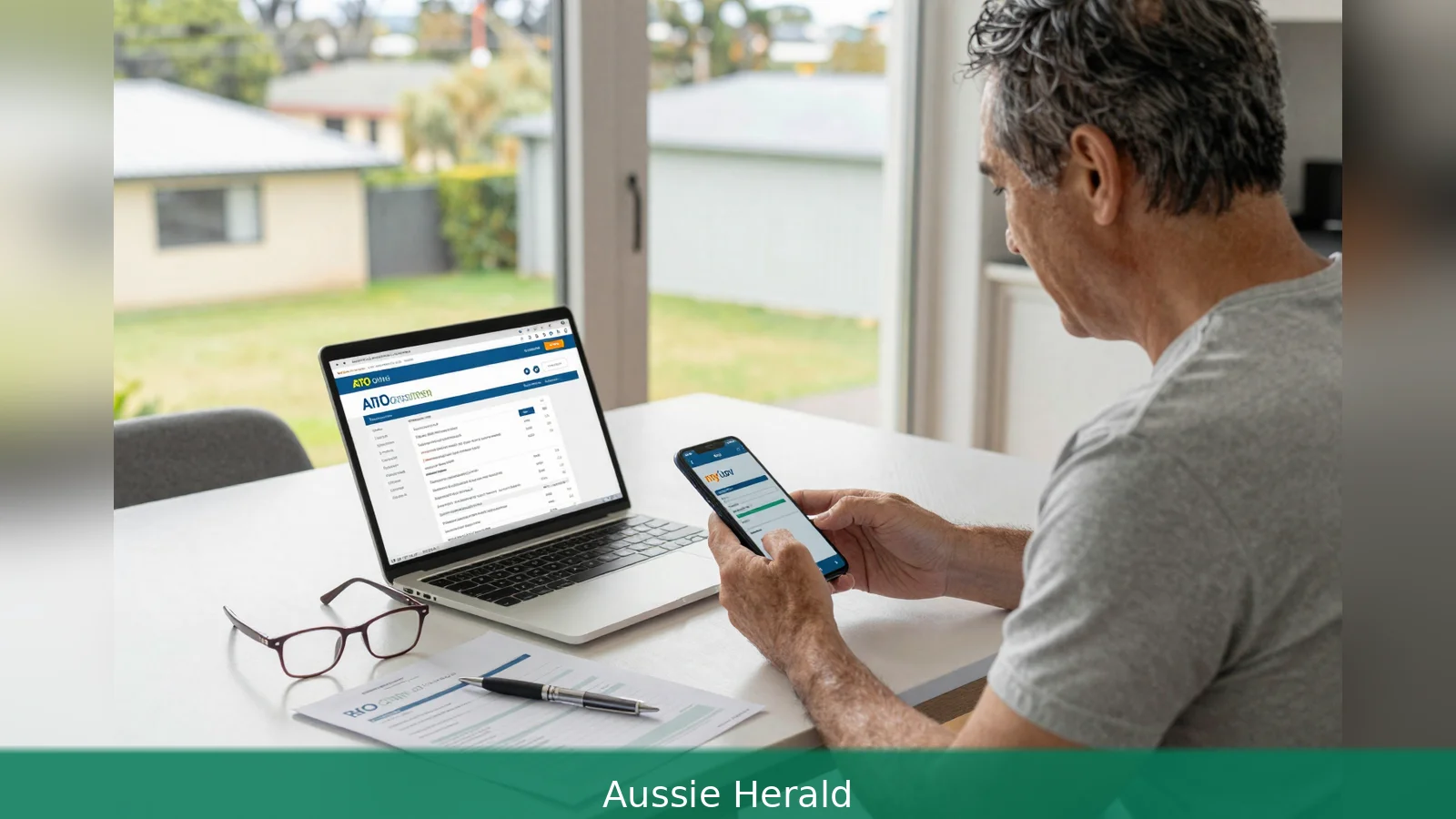
The ATO flagged that it would notify affected taxpayers via SMS, email or a message in their myGov inbox, and that people could also view updated balances through the ATO app or their ATO online account accessed via myGov.
2. Step-by-step: confirm the cut and follow up if you think something is wrong
First, check whether the 20 percent reduction appears in your account and look for an official ATO notification. The ATO said debt holders would be informed by SMS, email or a myGov inbox message once the cut had been processed.
Your fastest checks are the ATO app and the ATO online account through myGov, where updated study loan balances and transaction history should be visible.
Second, if you repaid your HELP debt in full before 1 June 2025 you were not eligible for the reduction. The cut applied to the outstanding balance recorded on that date, so accounts showing no balance on 1 June 2025 were excluded.
If you repaid a balance after 1 June 2025 but the reduction had been applied earlier to the balance on that date, the ATO said a refund could be issued to your nominated bank account. For refunds or queries, use the ATO online services through myGov or contact the ATO via its official channels.
Third, if your HELP account still shows a balance you think is incorrect after the cut, gather documentary evidence and contact the ATO. Useful documents include prior account statements, bank transaction records for voluntary repayments and any correspondence that shows the dates you paid parts of the debt. The ATO’s online services let you view a transaction history for your study loan account. If the online record doesn't resolve the issue, the ATO provides secure contact routes in myGov for formal inquiries.
Fourth, if you make voluntary repayments, understand how indexation and timing affect what you owe. The Department of Education and Training explains that indexation is applied annually on 1 June to the portion of HELP debt older than 11 months, to reflect movements in the cost of living. Because indexation is applied on that date, compulsory repayments withheld through the tax system during a financial year may not reduce the portion of debt that's subject to indexation on 1 June, depending on timing. That means voluntary payments made during the year might not stop part of your debt being indexed on 1 June unless the payment is already recorded in your account.

Finally in this sequence, if the reduction applied to a balance you later cleared and you believe you are due a refund, lodge your request through myGov. The ATO said it could send refunds to the bank account you have nominated if the cut was applied to a balance you then repaid.
3. How the cut interacts with indexation and compulsory repayments
Indexation remains a separate, standing rule. The Department of Education and Training makes clear that indexation is added each year on 1 June to HELP debt that's more than 11 months old. The 20 percent reduction reduced outstanding balances for the purpose of future compulsory repayment calculations and the balance liable for future indexation, but the timing mechanics still matter.
That is, the cut lowers the principal on which future indexation will be calculated, subject to the usual 1 June timing. But it doesn't change compulsory repayments that were already withheld from income in past tax years. Those with amounts deducted through payroll or withheld at tax time will have had those obligations recorded for the years they were collected, and the reduction doesn't retrospectively cancel withheld repayments.
There is public debate about the indexation date itself. Analysis commissioned by a member of parliament from the Parliamentary Budget Office found that moving the indexation date from 1 June to 1 November, after income tax returns are processed, would reduce the amount of indexation charged on amounts graduates had effectively repaid during the financial year. That analysis was presented as a policy recommendation and reflects one side of the discussion; it's not a change to existing rules.
4. New borrowers, HECS-HELP enrolment, scams and practical notes
If you don't currently have a HELP balance and are about to enrol in a Commonwealth supported place, follow the formal HECS-HELP steps to incur a HELP debt correctly. To use a HECS-HELP loan you must be enrolled in a Commonwealth supported place and meet citizenship and residency requirements. You must submit a request for Commonwealth assistance to your higher education provider by the provider’s census date, and that request is normally done via the electronic Commonwealth Assistance Form provided by the institution. The provider then records your use of HECS-HELP. These administrative steps to access HECS-HELP are separate from the 2025 reduction to outstanding balances.
If you are planning voluntary repayments to reduce future interest or indexation, remember the indexation timing. Voluntary repayments should be reflected in your ATO study loan record before 1 June if you want them to affect the slice of debt that could be indexed on that date.
The ATO warned debt holders to be alert for scams. Official messages from the ATO about the reduction won't include links to click. If you receive a message claiming to deliver the cut that asks you to click a link, provide personal details or authorise payments, treat it as a likely scam and report it to the ATO through its official channels.
Always verify notifications in your myGov inbox or the ATO app rather than responding to unsolicited SMS or email messages. If you are in any doubt, log in to myGov directly and check the ATO online account. Don't follow links in unexpected messages; the ATO’s own guidance is that legitimate communications about the cut won't ask you to click a link to access the reduction.
The 20 percent reduction reduced outstanding HELP balances and that has two direct effects. First, it lowers the base used to calculate future compulsory repayments. Second, it lowers the principal that will be subject to future indexation, subject to the usual rules and timing for indexation. What the measure doesn't change is compulsory repayments already withheld in past tax years, and it doesn't apply to balances that had been fully repaid before 1 June 2025.
Where the cut was applied to a balance that was later repaid, the ATO said refunds may be issued to a nominated bank account. Where balances were already zero on 1 June 2025, no reduction applied.
1. Check your myGov inbox, the ATO app or your ATO online account to confirm whether the 20 percent reduction was applied to the balance recorded for 1 June 2025.
2. If you repaid your HELP debt before 1 June 2025 you were not eligible; if you repaid after that date and the reduction applied, you may be eligible for a refund via the ATO.
3. Gather statements and bank records if your balance looks wrong, then contact the ATO through myGov secure messaging or the ATO app to dispute or query the record.
4. Guard against scams: genuine ATO messages about the cut won't include links; verify via myGov.
5. Remember indexation is applied on 1 June to debt older than 11 months, so timing of repayments matters for future indexation.
Related Articles
- Negative gearing rules change for new builds from 2027
- How to claim JobSeeker: start 13 weeks early and avoid delays
- How much will your tax return cost, and who should lodge it
Check your myGov account or the ATO app and confirm whether the 20 percent reduction was applied to the balance recorded for 1 June 2025; if the cut appeared on a balance you later cleared, contact the ATO through secure myGov messaging to request a refund.
This article was created with AI assistance.


