
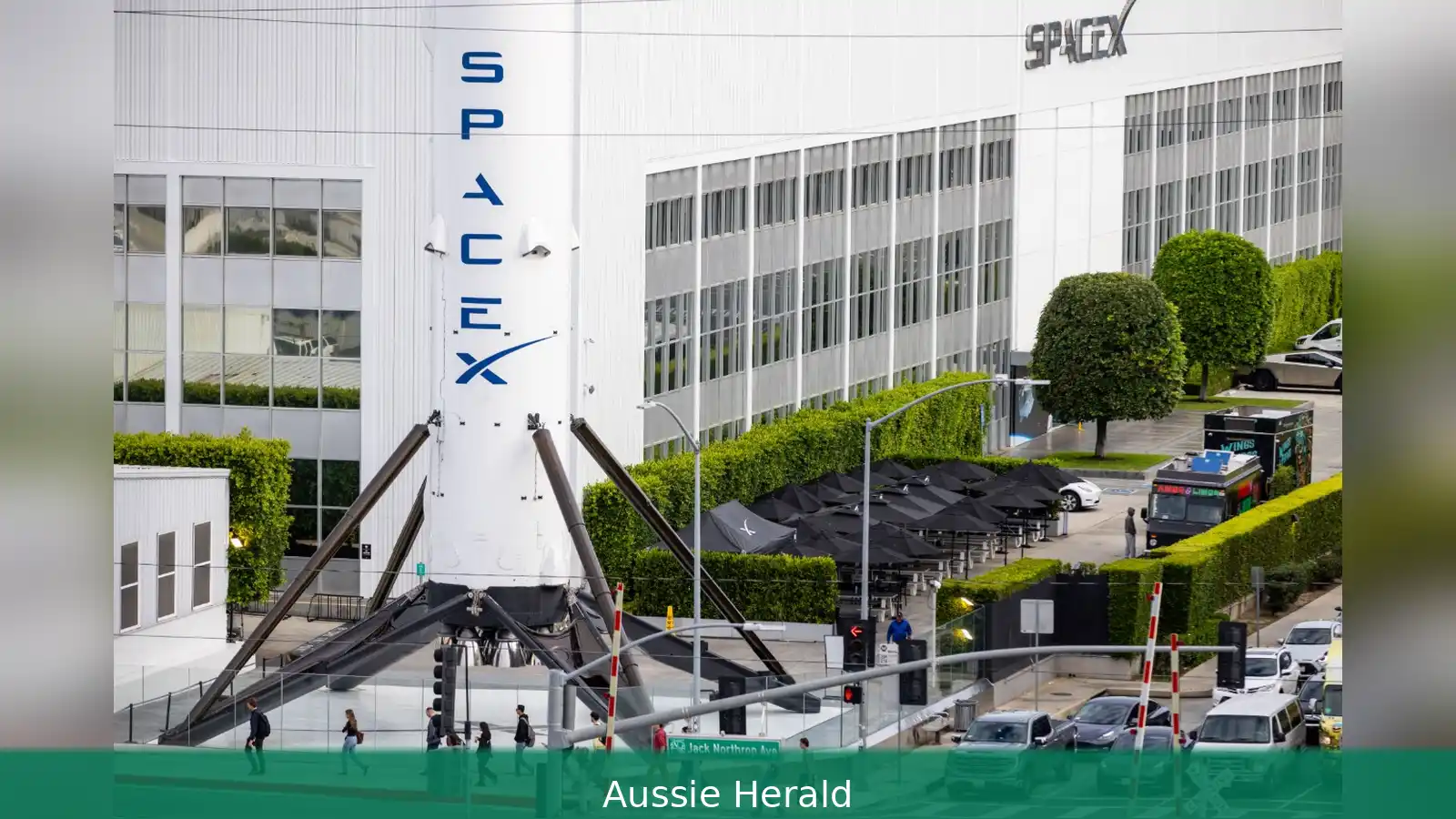
1.75 trillion. That is the valuation attached to SpaceX after it priced its IPO at $135 a share on June 11, raising about $75 billion from 555.6 million primary shares sold to underwriters. The deal used a fixed, take-it-or-leave-it price and the shares began trading on Nasdaq under the SPCX ticker on June 12. Underwriters hold an overallotment option for 83.3 million more shares, a choice that will shape early liquidity and passive fund flows.
75 billion. That's how much Space Exploration Technologies Corp. brought in from the primary portion of the offering, according to TechCrunch, which reported the company sold 555.6 million shares at $135 each and left an option to add another 83.3 million shares at the same price that would raise roughly $11 billion.
How the deal was structured
The company chose a fixed-price approach rather than the customary price range and bookbuild process, a detail noted by CNBC and the BBC. That take-it-or-leave-it pricing removed the usual bookbuild signals that help underwriters and clients size allocations, an issue IPO consultant Lise Buyer described to CNBC as shifting importance to how underwriters map allocations to their clients.
Retail investors received an unusually large share of the primary proceeds. Reuters reported roughly 30 percent of the $75 billion primary offering has been earmarked for retail, far above the roughly 10 percent more typical in large IPOs. The retail allocation was coupled with changes in broker participation rules that expanded access: Reuters documented Fidelity cutting its IPO eligibility threshold from $500,000 to $2,000, while platforms such as Robinhood, SoFi and E*Trade allow smaller or no account minimums for IPO participation.
That combination prompted warnings about concentration risk. Reuters quoted Sam Grelck, an equity strategy analyst at Truist Advisory Services, who said his study of 30 major tech-related IPOs over the past 15 years found every one suffered double-digit declines within 12 months of the first-day close, with an average drawdown around 55 percent. Grelck advised investors to prepare for heightened volatility and the potential for significant drawdowns.

Market ripple effects and the valuation debate
The float is large enough to become a market event, not just a company listing. IG wrote the record-sized sale turns the IPO into a liquidity and flow event that could force rotations across space, defence, telecom, artificial intelligence infrastructure and other high-growth equities.
Quick inclusion in major indices, if it happens, could also compel passive funds to buy the stock, magnifying early flows and volatility.
Expectations for a first-day pop were reported by TechCrunch and the BBC, with some broker-dealers and market participants saying implied secondary-market interest looked to be above the offering price. But the valuation raised immediate questions. SpaceX disclosed stated revenue of $18.7 billion last year and an operating loss, a combination analysts flagged when asking how public markets will justify a $1.75 trillion price tag.
Underwriting support has been framed by long-run projections. Reuters noted Goldman Sachs analysts' long-run revenue forecasts as part of the foundation for some of the underwriting interest. Still, observers listed unresolved questions around how SpaceX will scale the engineering projects it has announced and how Starlink recurring revenue will probably translate into the growth rates embedded in that valuation.
If shares trade at or above the $135 pricing, the BBC and other outlets highlighted a consequence with strong public interest: Elon Musk would move into territory described as the world's first trillionaire based on his remaining stake. That personal-wealth headline accompanies the broader market implications of the float.
Related Articles
- Fund managers under 4% cash as SpaceX demand far exceeds planned supply
- Honeywell Aerospace eyes $4.65bn EBIT ahead of Nasdaq listing
- Avoid 95% false positives when extracting stock tickers
Watch whether underwriters exercise the 83.3 million-share overallotment option; if they do, it would expand the primary sale by roughly $11 billion and determine how much buying pressure passive funds and retail channels must absorb.
This article was created with AI assistance.


