
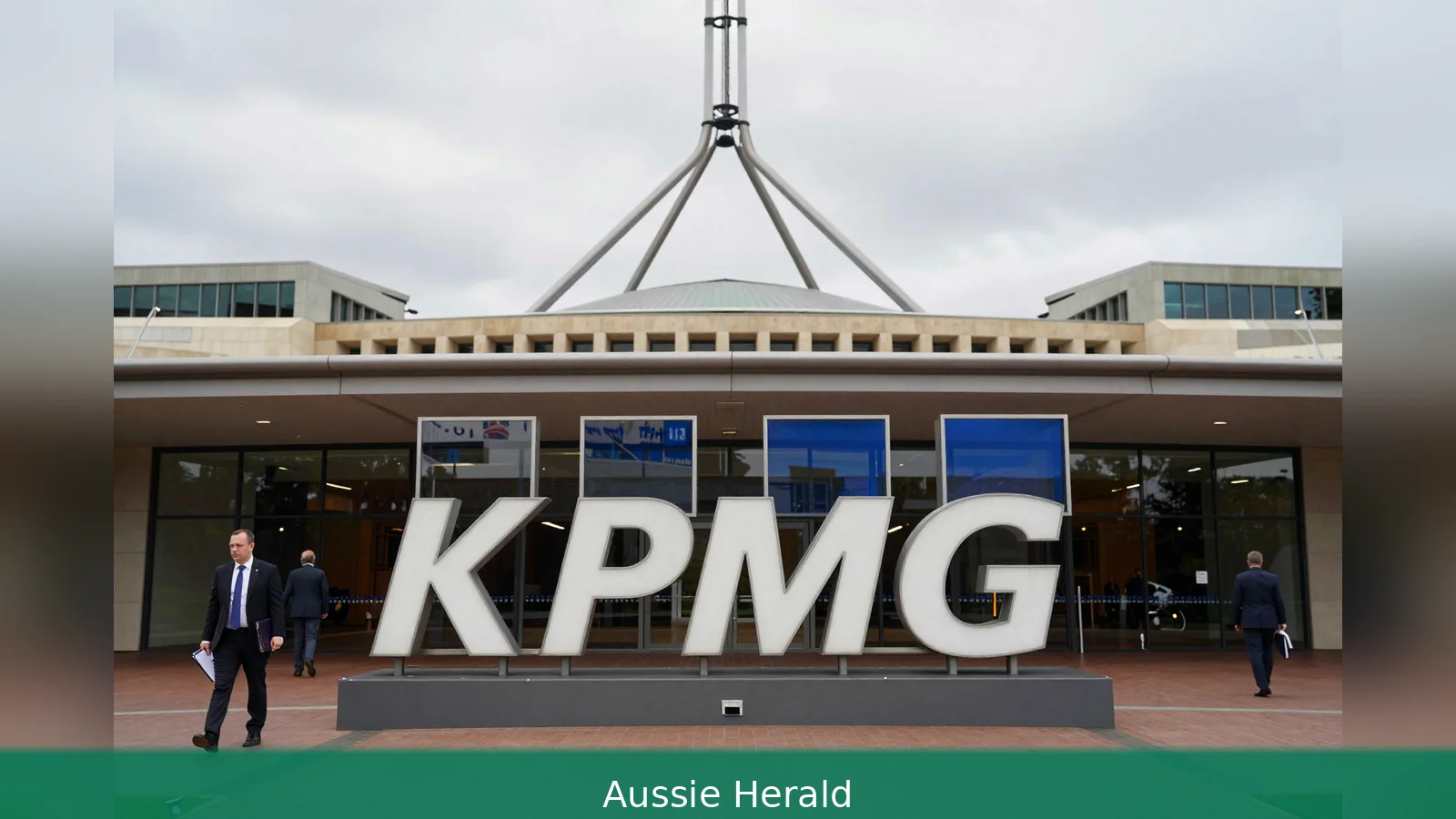
A$348 million. That is how much new federal work the Big Four won in 2025, down from A$637 million a year earlier, and a clear sign Canberra is pulling back after a string of audit and advisory scandals. The fall is concentrated at KPMG, which has admitted it mishandled a whistleblower complaint and still holds roughly A$650 million of active federal work, Reuters found and lawmakers verified. The government barred KPMG from bidding for fresh federal contracts until September 30, a date that will shape how deep the revenue shock becomes.
A$348 million. That figure is the clearest signal yet that Canberra is pulling back from the Big Four after a string of audit and advisory scandals that began with PwC in 2023 and now centre on KPMG.
How KPMG lost ground
The decline in new awards in 2025 isn't evenly spread across the accounting firms, Reuters found. KPMG has admitted it mishandled a whistleblower complaint tied to allegations the firm shared confidential company information with prospective private-sector clients. The episode prompted the resignation of KPMG’s chief executive and its top auditor, and the firm has engaged an external governance consultant to review practices as it tries to stem client exits and staff turnover.
KPMG still holds about A$650 million of active federal contracts, the Reuters review verified by lawmakers showed. Those contracts include anti-slavery supply chain audits and cybersecurity work. But the federal government announced on June 16 that KPMG is barred from bidding for new federal work until September 30, a move that immediately cuts off a flow of potential revenue and complicates efforts to reassure clients and staff.
The Reserve Bank of Australia signalled the reputational cost of the scandal when it said it would likely not reappoint KPMG to run its whistleblower hotline. That public distancing from central institutions increases the odds of a broader market reaction, which could accelerate client departures or force structural changes to advisory businesses.

Sector consequences and political pressure
Canberra’s response follows the precedent set after the 2023 PwC revelations, when disclosure of shared confidential tax policy details forced PwC to forgo new government contracts for more than a year and to sell its government advisory unit. PwC’s revenue later fell 26 percent in the 2024 financial year after that divestment.
The speed and scale of the government’s distancing then offers a template for what could happen now to KPMG.
Former KPMG partner Brendan Lyon warned the loss of hundreds of millions in government work could threaten firms that depend heavily on public-sector contracts. "It's undoubtedly going to have impacts and that's been discussed by government politicians and various government departments," he said. Stephen Bartos, a former deputy secretary at the Department of Finance, said the allegations prompt "apprehensions by government agencies that there might be misuse of confidential materials from government. And therefore, government agencies will be more reluctant to use KPMG." Those remarks reflect growing unease inside procurement teams and among lawmakers who are re-evaluating contractor use.
Reuters calculated the sector at around A$1.8 billion in size. That number puts the A$289 million year-on-year fall in new federal awards into perspective: it's a rapid erosion of a substantial public market, and it raises policy questions about concentration of auditing and advisory work in a small group of firms. Some state governments may also curtail engagements with affected firms, further shrinking demand.
KPMG says its immediate priorities are completing the external governance review and retaining existing clients while the federal ban on new work remains in place. The company faces immediate revenue pressure because the ban prevents it competing for fresh contracts and because central institutions are signalling caution in renewing sensitive responsibilities.
Market responses could echo the post-PwC adjustments. The Reuters analysis suggests the combination of public-sector bans, client reluctance and reputational damage increases the likelihood of sales or restructures of advisory businesses within the sector, as happened when PwC sold its government advisory arm after 2023 revelations.
For now the calendar is simple: September 30 is the date when the federal ban on KPMG bidding for new work is due to end or be reassessed. Until then, the firm will need to show evidence of meaningful governance change to halt revenue erosion and retain clients that supply a large share of its public-sector work.
Related Articles
- 123 states condemn slave trade, Accra pushes reparations
- Hawaiian to charge $11.99-$16.99 for Main Cabin meals from July 1
- OpenAI posts $20.92bn operating loss, customers face higher costs
September 30 will determine whether KPMG can begin to rebuild public‑sector revenue or faces further contraction. Watch the external governance review findings, procurement decisions by major agencies and any client divestments for signs of how deep the revenue shock will be.
This article was created with AI assistance.


