
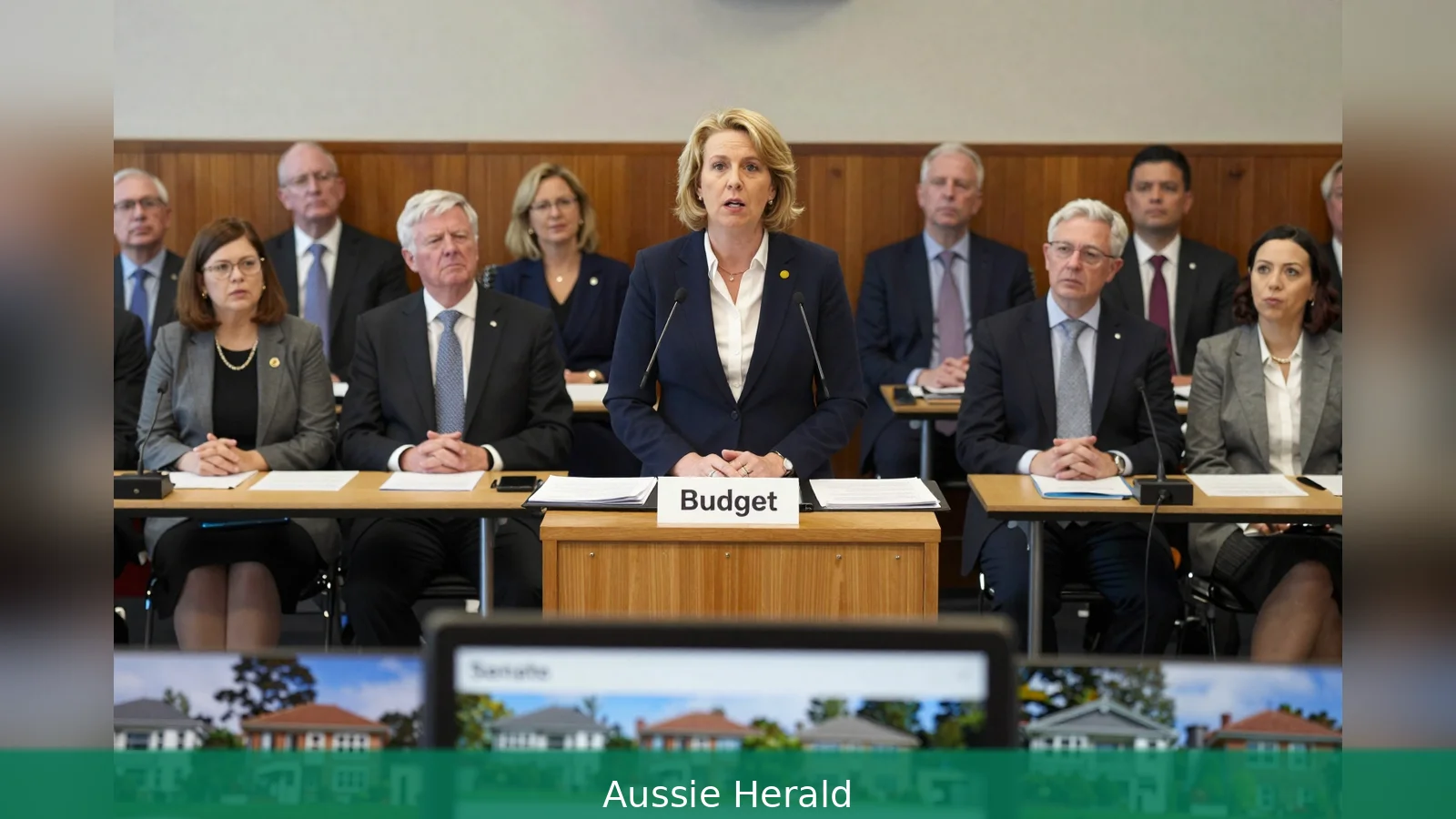
About 680,000 investment homes will keep their pre-budget tax settings after the government backed away from a technical change opponents called the 'widows tax'. Finance Minister Katy Gallagher told crossbenchers in the Senate on Thursday the reversal preserves grandfathered exemptions for jointly owned properties, safeguarding access to negative gearing and the 50 percent capital gains tax discount. The flaw was flagged at Senate Estimates and pushed into public view by a late amendment from Senator David Pocock; the government says a second tranche of budget legislation will lock in the drafting fix.
On Wednesday at Senate Estimates, Treasury officials confirmed a detail that alarmed independent senators: a transfer of an ownership interest could strip a new owner of grandfathered tax treatment for properties held before the budget. That technical point meant a surviving spouse, an heir or someone receiving a share after divorce might face fresh tax treatment on future gains.
How the issue reached the chamber
Senator David Pocock moved to amend the budget bill so a transferee could elect to apply the same concession that applied to the transferor immediately before the transfer. He described the effect as hitting divorcees and widows. That exchange put pressure on the government in late-stage negotiations on its wider tax package and helped frame the media coverage of the flaw as a "widows tax".
The government initially declined to accept Pocock’s amendment on procedural grounds. But the point had grabbed crossbench and Greens attention at a critical moment for the budget bill. Treasurer Jim Chalmers had already negotiated major changes to get the package through, including carve-outs for businesses and other concessions, and the debate over transfers sharpened the need to tidy remaining technical interactions.
What the change means for property owners
Gallagher told the Senate the arrangements for jointly owned assets in circumstances such as inheritance or divorce would be fixed in subsequent legislation. She said, "We have made clear from the get-go... That we were aware that there would be tranches of legislation" requiring further technical work, and committed to addressing the grandfathering and shared ownership problem.

The reversal preserves exemptions that apply to jointly owned properties and avoids new owners losing access to negative gearing and the 50 percent capital gains tax discount simply because ownership changed after the budget cut-off. The government estimates this protects roughly 680,000 investment homes that were held before the budget measures were announced.
This rollback is the latest of a string of adjustments to the government’s proposed limits on the CGT discount and the scope of negative gearing. Earlier concessions included widening the small business turnover threshold from $2 million to $10 million, which brought roughly 180,000 additional businesses into a preserved treatment, and exempting certain trusts from tougher rules.
Those moves were designed to narrow the bill’s impact on small businesses and particular structures while retaining the package’s broader revenue aims.
The budget bill itself was pushed through the Senate with Greens support, but the government acknowledged the passage left some technical interactions unresolved. Officials and ministers flagged that some provisions needed follow-up drafting, and the government pledged to tidy those matters in a second tranche of legislation.
Senator Pocock criticised the government’s communications and engagement with crossbenchers, saying public messaging had been inconsistent and that more detailed consultation should have occurred before the bill’s passage. Gallagher accepted those concerns in the Senate, noting her office was working through "particular and specific interactions of tax law" that will be set out in follow-up measures.
Practically, the government will now write into later legislation that a transferee of a pre-budget interest in jointly held property won't lose the grandfathered tax treatment that applied to the transferor immediately before the transfer. The change is intended to cover common scenarios such as death, inheritance and relationship breakdowns that result in a change of legal ownership.
Opponents had seized on the transfer rule as an example of a technical knock-on that could produce unfair outcomes if left unaddressed. With the government conceding the point, the immediate political noise has quieted, but the drafting work to lock in the fix remains on the legislative to-do list.
Related Articles
- CGT shake-up draws investor pushback
- 30% minimum capital gains tax from July 2027 hits investors
- £400,000 siphoned from SNP, Murrell jailed five years
The government says it will include drafting fixes for shared-ownership and inheritance transfers in the second tranche of budget legislation. That tranche is the one to watch for the exact wording that will determine whether surviving spouses and divorcing partners keep grandfathered tax treatment.
This article was created with AI assistance.


