
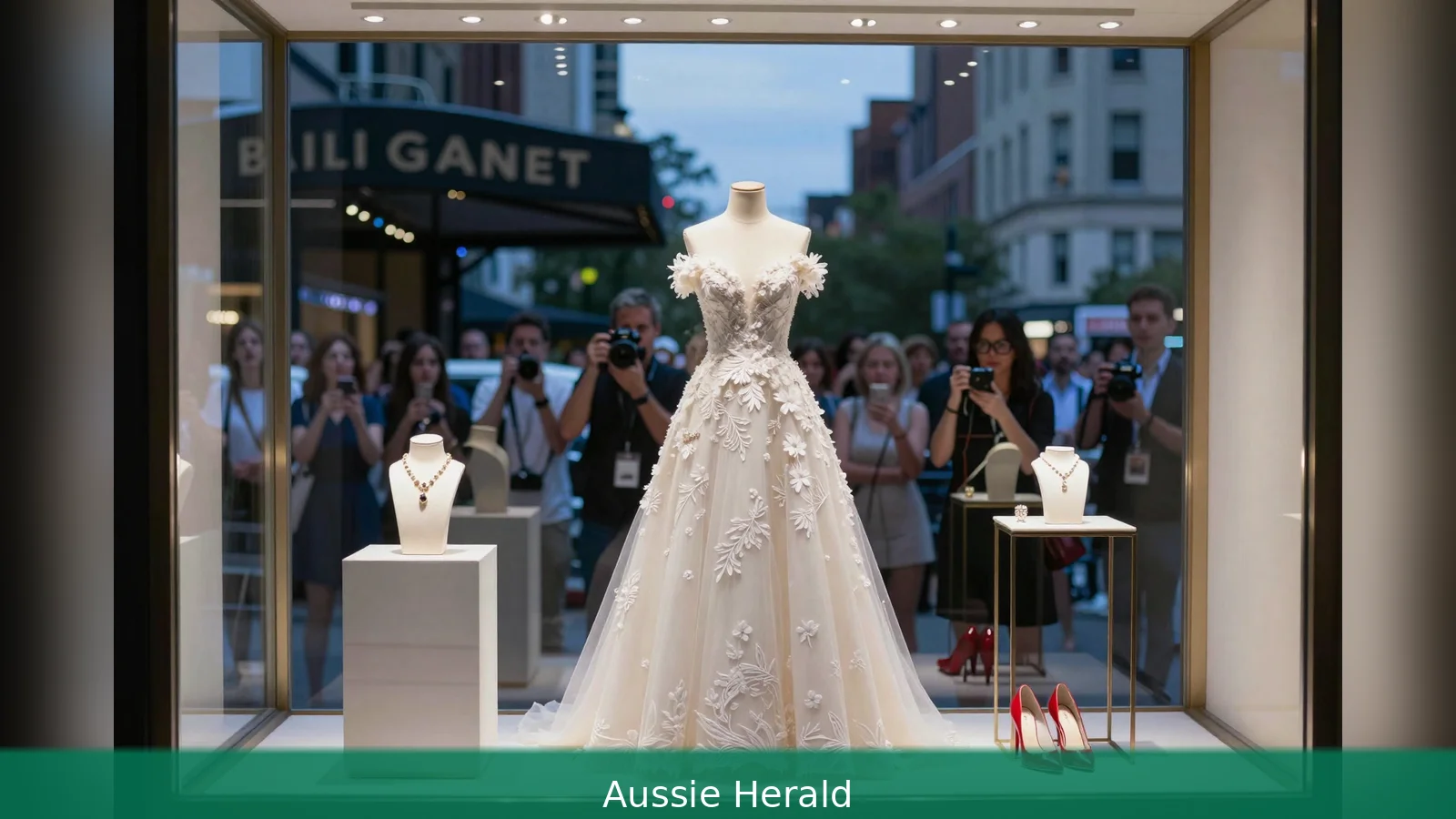
Taylor Swift's public confirmation of her marriage on 3 July 2026 has already triggered a short, sharp sales impulse for Dior, Cartier and bridal retailers. Tree Paine, Swift's publicist, credited Jonathan Anderson at Christian Dior Haute Couture with both ceremony looks and said the gown was Anderson's first couture wedding dress for a world-renowned celebrity. Retailers and fans are buying pieces linked to the weekend, and venues and outlets named in pre-wedding speculation face follow-on commercial effects from the media attention.
3 July 2026 set the market frame for what looks like a short, sharp sales impulse across several fashion categories.
The public confirmation came from Swift's team amid intense media activity around Madison Square Garden, following reporting that a permit had been filed to close streets around the arena from July 2 to noon on July 4, a detail published by The New York Times. The statement didn't specify the venue or the precise timing, and contemporary accounts left open the possibility of a separate private ceremony at another location.
Tree Paine made the key design attribution public, naming Jonathan Anderson at Christian Dior Haute Couture as the creator of both Swift and Travis Kelce's ceremony looks. Paine described the garment as Anderson's first couture wedding dress for a world-renowned celebrity. But that attribution places Dior at the centre of commerce that follows celebrity visibility: couture houses can expect heightened editorial attention and a sales halo over ready-to-wear and accessories linked by association.
Additional confirmations in multiple reports tied Cartier jewellery to Swift's completed bridal look, and said both members of the couple wore custom Christian Louboutin shoes. Those elements refine the commercial story. Jewellery houses often see immediate interest in named pieces after celebrity usage, while bespoke footwear credits can prompt commissions and quick-turn product demand for related lines.

No official photographs of Swift in a wedding gown have been released, and multiple images circulating on social media haven't been verified. That absence matters commercially because official imagery typically drives the largest retail reactions and authorised merchandise streams.
Market reaction and local signals
Fans and retailers reacted almost instantly.
Social platforms recorded rapid sell-through of at least one guest dress linked to the weekend, with preorders showing fast depletion of available sizes for a Sau Lee gown that drew viral attention. The pattern mirrors past Swift-related demand surges in which garments and accessories connected to the star sell out quickly after public exposure.
The event also moves rent, ticketing and third-party hospitality exposures. Live-event venues and ancillary hospitality businesses benefit from footprint spikes around a high-profile show or ceremony, and merchandise businesses tied to an arena or performer see uplift while media attention is high. In this case, the visible preparations around Madison Square Garden and large crowds outside the arena fed a commercial moment that extended past fashion alone.
There were civic and public gestures that amplified the weekend's visibility: local coverage reported the Empire State Building was lit in blue in celebration of the couple, and coverage listed high-profile guests and a ceremonialist role for Adam Sandler. Family roles were likewise public, with Austin Swift serving as man of honour and Jason Kelce as best man. Those signals widen the media reach and, by extension, the short-term customer base for related product and experiences.
The absence of a scheduled official photo release or a follow-up briefing is a commercial constraint. Without authorised imagery or an organised rollout of photographs and credits, the surge in demand will be driven by scarce, unofficial content plus the designers' named associations. That tends to produce fast but uneven sell-through and speculative aftermarket pricing for items tied to the event.
For designers and retailers the immediate questions are practical: will editorial attention convert to bookings, commissions and permanent retail lines, or will the bump collapse after the initial viral cycle? Past Swift-related spikes show the initial sell-through is rapid, but converting that into sustained revenue depends on stock, price points and how quickly brands can capitalise on the association while remaining in control of the narrative.
Related Articles
- Taylor Swift files three trademarks after TikTok deepfakes
- Taylor Swift seeks trademarks for two spoken phrases linked to AI concerns
That public attribution is the single concrete detail likely to determine whether the spike turns into bookings, bespoke commissions and lasting retail lines, or collapses after the initial viral cycle. The speed with which houses produce authorised imagery, stock and priced product will decide the commercial upside.
This article was created with AI assistance.


