
Quick reference - Current capped hourly rate (2026): $55.89 per hour for Household Tasks (Assistance with Daily Living) — support item 01_021_0120_1_1. Price limits effective from 24 November 2025. - Applies to registered providers charging NDIA‑managed or plan‑managed participants; participants can negotiate lower prices or self‑manage and agree different rates. - Travel and non‑face‑to‑face claims depend on the specific support item and pricing rules — typical metro travel allowances are up to 30 minutes; regional up to 60 minutes. Providers often charge per kilometre for travel. - Key links: NDIS Pricing Arrangements and Price Limits (ndis.gov.au/providers/pricing-arrangements-and-price-limits) and NDIS Support Catalogue (ndis.gov.au/providers/support-catalogue). Here’s a quick look at who’s eligible, what it costs, how to set up NDIS-funded cleaning, and tips on claiming and invoicing.
Prerequisites — who can get NDIS‑funded cleaning and where it sits in your plan
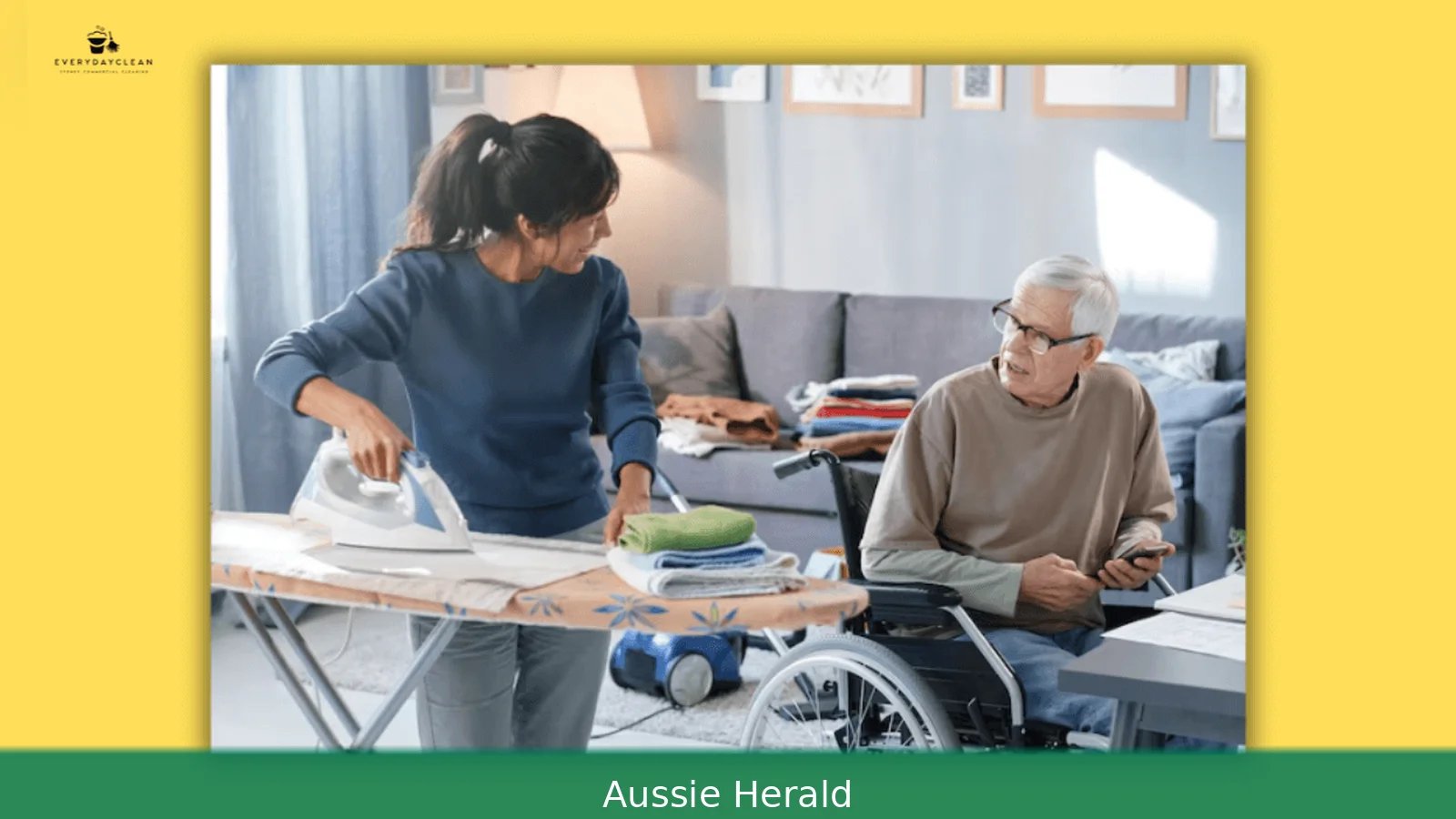
Cleaning that’s funded by the NDIS must be reasonable and necessary for a participant’s disability. In practice that means cleaning tasks a person can’t do because of their disability — vacuuming, mopping, bathroom and kitchen hygiene, basic surface cleaning and light household upkeep. The support is funded under Core Supports, Assistance with Daily Living, listed in the Support Catalogue as Household Tasks.
Honestly, the current price cap for Household Tasks (Support Item 01_021_0120_1_1) is $55.89 per hour. That price limit has applied from 24 November 2025 and is the maximum registered providers can charge for NDIA‑managed or plan‑managed supports.
Step‑by‑step — how to arrange NDIS funding for cleaning
- Check your plan for Core funding and household tasks line items.
Look in the Assistance with Daily Living section of your plan. If Household Tasks or a similar line is included, it should cover regular cleaning. If it isn’t listed, request a plan review or speak with your planner/Local Area Coordinator about adding it.
- Confirm eligibility for each task.
Document the tasks you need help with and why your disability prevents you from doing them. NDIA or plan managers usually expect a clear link between the participant’s need and the support.
- Decide how your plan is managed.
If your plan is NDIA‑managed, registered providers must charge within the price limits. If plan‑managed, the plan manager pays the provider and still follows the pricing arrangements. But if self‑managed, participants can use registered or unregistered providers and negotiate rates directly, though many still use the price caps as a benchmark.

- Get at least two quotes from providers.
Ask providers for a written quote showing hourly rate, travel charges (if any), length of visit, cancellation terms and whether supplies are included. Use the $55.89 cap as your starting check. For NDIA‑ or plan‑managed plans the provider must follow the NDIS Pricing Arrangements and Price Limits when invoicing.
- Check provider registration and claiming process.
Registered providers submit claims via the NDIS provider portal and must follow the price limits for applicable supports (see ndis.gov.au/providers/pricing-arrangements-and-price-limits). Unregistered providers can still deliver supports but claiming and payment paths differ for NDIA‑managed participants — self‑managed participants pay the provider and claim reimbursement through the NDIS portal or via their myGov link.
- Schedule and document each visit.
Record date, start/finish time and tasks completed. For NDIA and plan‑managed claims, accurate timesheets or service logs are required. This helps if the NDIA queries a claim and keeps your plan manager happy.
- Invoicing and claiming.
Registered providers usually send their invoices to the NDIA or plan manager through the NDIS Portal. Self‑managed participants pay the provider directly — keep valid invoices and submit them through the NDIS participant portal for reimbursement. If travel or non‑face‑to‑face items apply, they must be claimed according to the pricing rules that cover that support item.
Costs, fees and exact figures (2026)
Keep these numbers in mind when you’re budgeting or comparing quotes.
- Household Tasks (Assistance with Daily Living) — support item 01_021_0120_1_1: capped at $55.89 per hour (price limits effective from 24 November 2025).
- Travel: the Pricing Arrangements indicate whether travel and non‑face‑to‑face charges apply to each support item. Typical practice in metro areas allows up to 30 minutes travel time; regional areas can allow up to 60 minutes — providers sometimes also charge per kilometre (commonly around $1.00/km as a typical market example).
- Cleaning supplies and small equipment are often included in the hourly rate unless the provider notes them separately in a quote. Confirm this before booking.
Tips to get the best value
- Try to set up a regular weekly or fortnightly schedule since providers often give better rates for ongoing work than for one-off jobs.
- Request a clear written service agreement that lists duties, start/finish times and cancellation fees. That avoids surprises on invoices.
- If you’re managing your own plan, use the price cap to negotiate — lots of providers will match or beat $55.89 an hour for regular cleaning.
- Check whether your plan allows portable aids or home modifications that reduce cleaning needs — sometimes a small change (easy‑clean flooring, better storage) reduces ongoing cleaning hours.
- Use a plan manager if paperwork is draining. They handle invoices and ensure providers claim correctly against price limits.
Common mistakes to avoid
- Assuming any domestic task is covered. Major repairs, full garden makeovers or non‑disability‑related tasks are typically not funded.
- Booking a provider without a written quote or service agreement. Verbal deals lead to disputes when an invoice arrives.
- Ignoring the pricing rules for travel and non‑face‑to‑face claims. These must be allowed for the specific support item to be invoiced separately.
- Using unregistered providers without understanding claiming paths. NDIA‑managed participants can’t have registered providers charge above price caps — but unregistered providers will need a different payment route.
- Failing to record times and tasks. Accurate records are needed for claims and plan reviews.
Alternatives and comparisons
If NDIS funding doesn’t cover all cleaning you need, Look at these options:
- Combine NDIS‑funded cleans for disability‑related tasks with privately paid cleans for broader household chores.
- Use community care programs or local council services for specific supports, where available — these may have different eligibility and cost structures.
- Engage a plan manager to rebalance funds across your plan so essential cleaning can be prioritised if budgets are tight.
Where to check official rules and make claims
Main NDIS pages to bookmark:
- NDIS Pricing Arrangements and Price Limits: https://www.ndis.gov.au/providers/pricing-arrangements-and-price-limits
- NDIS Support Catalogue: https://www.ndis.gov.au/providers/support-catalogue
- Provider and claiming portals (PRODA and NDIS portals): see https://www.servicesaustralia.gov.au/ for PRODA access and provider entry points.
These pages list the exact price limits, allowed claim types (travel, non‑face‑to‑face) and the current Support Catalogue entries. Pricing is reviewed annually and was last updated effective 24 November 2025 for the 2025‑26 arrangements.
Related Articles
- NDIS public holiday rates 2026
- NDIS rates support worker 2026
- Geelong vs Bulldogs 2026 — ranked guide
NDIS cleaning support in 2026 centres on the Household Tasks price cap of $55.89 per hour (support item 01_021_0120_1_1), with travel and extra claims handled under the Pricing Arrangements. Check your plan, get written quotes, and keep clear records. If you’re unsure how to fit cleaning into your plan budget, talk with your planner, Local Area Coordinator or a plan manager — they’ll help match supports to the plan and the pricing rules.
This article was created with AI assistance.


