
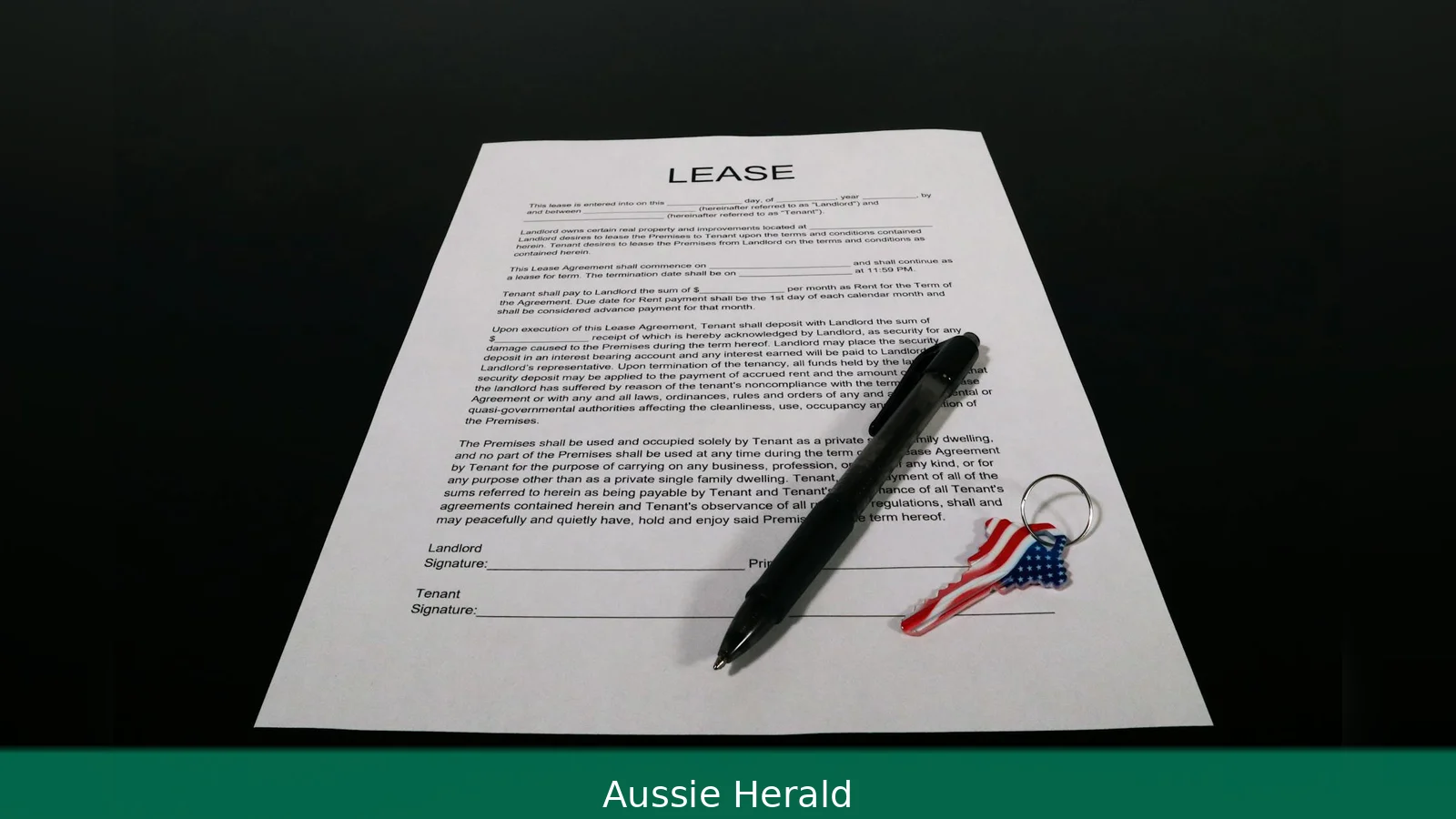
Many landlords, property managers and tenants still lodge rental bonds on paper in 2026, especially when someone prefers not to use online services, the internet is unreliable, or an agent manages many properties. A paper bond form is the printed lodgement your state or territory bond authority accepts by post or in person. This guide explains what you need, how long it typically takes, payment options and common pitfalls across each Australian jurisdiction.
Quick reference
- What it is: a printed bond lodgement form your state/territory tenancy authority accepts by post or in person.
- Typical bond amount: usually the equivalent of 4 weeks' rent (common across states). Example: $500/week → bond $2,000.
- Typical processing time: 7-21 business days after the authority receives a correctly completed form and cleared payment.
- Common alternatives: online lodgement portals (Service NSW / Rental Bonds Online, RTBA Victoria, RTA Queensland).

- Common payment methods accepted: bank cheque, money order, electronic funds transfer (EFT), credit cards are usually not accepted for paper forms.
Prerequisites
Before you start, gather these items. Having them ready speeds the lodgement and reduces mistakes, and it avoids delays that push processing beyond the typical 7-21 business days.
- Signed tenancy agreement showing the start date, rent amount and full names of all tenants. If the agreement uses a trading name, include the individual's legal name too.
- The correct paper bond lodgement form for your state or territory. Download it or pick one up from the relevant office. Links are below.
- Photo ID for each tenant and the landlord or authorised agent, driver licence, passport or photo proof of age card is usual.
- Payment for the bond: bank cheque or money order made payable as specified by the authority, or an EFT with the correct BSB and account number and a clear payment reference (property address or tenancy ID).
- Return postage or an address for the authority to send the receipt or any further correspondence, consider using registered post or keeping proof of postage for your records.
Where to get the form (major jurisdictions)
Each state and territory manages bonds separately. Use the form from the right authority, posting the wrong form delays processing. Official pages in 2026:
- New South Wales. NSW Fair Trading (rental bonds): https://www.fairtrading.nsw.gov.au/housing-and-property/renting/rental-bonds
- Victoria. Residential Tenancies Bond Authority (RTBA): https://www.consumer.vic.gov.au/housing/renting/bond-and-rent
- Queensland. Residential Tenancies Authority (RTA): https://www.rta.qld.gov.au/renting/bonds
- Western Australia. Consumer Protection, Department of Mines, Industry Regulation and Safety: https://www.commerce.wa.gov.au/consumer-protection/renting-home
- South Australia. Consumer and Business Services (CBS): https://www.cbs.sa.gov.au/renting
- Tasmania. Consumer, Building and Occupational Services (CBOS): https://www.cbos.tas.gov.au/ (search for rental bonds)
- Northern Territory. Northern Territory Government, Consumer Affairs: https://nt.gov.au/industry/consumers
- Australian Capital Territory. Access Canberra, Rentals: https://www.accesscanberra.act.gov.au/rentals
Step-by-step: how to lodge a paper bond form
- Choose the right form. Download the latest PDF for your state or pick one up at a local service centre. Forms are updated occasionally, the 2026 version may have extra fields for e-mail addresses and tenancy IDs.
- Fill it in neatly. Print in block letters or type into the PDF if that option's provided. Include full names, date of birth or ID numbers where requested, the tenancy address and the lease start date. If there are joint tenants, list everyone exactly as on the lease, mismatched names are a common reason for rejection.
- Decide payment method. If using a bank cheque or money order, make it payable exactly as the form specifies (for example, to the state bond authority). If using EFT, transfer the bond amount to the authority's nominated account and put the tenancy address or lodgement reference in the payment description, keep a screenshot of the confirmation.
- Attach identification and copies. Some states want a copy of each tenant's ID; others accept ID sighted by an agent. Include a photocopy of the tenancy agreement if the form asks for it. Don’t attach original documents unless the form specifically asks, authorities rarely return originals promptly.
- Signatures. All tenants and the landlord (or authorised agent) should sign where required. If one party can’t sign in person, check if a scanned signature or witnessed signature is acceptable, rules vary by state.
- Post or deliver. Send the completed form, payment and copies to the postal address shown on the form or the website. Use registered post or hand-deliver to a service centre for immediate receipt. If posting, add a covering letter with contact details and an email address so they can confirm receipt electronically.
- Record proof and follow up. Keep photocopies of everything plus proof of postage or a bank receipt for EFT. Allow 7-21 business days; if you haven’t received confirmation after 21 business days, phone the bond authority and provide your payment evidence and the tenancy details.
- Use EFT when allowed and include a clear reference: property number or address and tenant surname. EFTs that match the lodgement documentation avoid manual matching delays.
- If an agent is lodging multiple bonds, label each payment with a unique internal code and include a cover sheet listing each tenancy by code, this speeds reconciliation at the authority.
- Send a single packet, scattering documents across multiple envelopes creates delays and lost items. Put everything together: form, payment, copies and return envelope.
- Drop off forms in person where possible. Many service centres will give a stamped receipt immediately; that beats waiting for postal processing.
- Keep all receipts and records for at least the tenancy term + 2 years. If a dispute arises, you’ll need proof you lodged the bond.
- Wrong authority: posting a NSW form to the Victorian RTBA will bounce the lodgement. Use the URL list above to confirm the right agency.
- Missing signatures or incomplete names: joint tenants must be listed exactly as on the lease; initials or nicknames cause rejections.
- Payment errors: underpaying by even $1 will stall processing. Double-check the bond total, four weeks' rent unless a different amount was agreed in the lease and allowed under state rules.
- Not including ID or a tenancy agreement when required: read the form's checklist and tick every box.
- Poor mailing choices: untracked postage leaves you vulnerable. Use registered post or hand delivery for large bond amounts.
Look, the bond authority will check the form, confirm payment and record the bond against the tenancy. You'll usually get a receipt letter or email with a bond number and the date it's recorded. Keep that bond number, it's how you request refunds at the end of the tenancy.
If details don't match or payment hasn't cleared, expect a query, authorities typically contact the listed agent, landlord or the person who posted the form. If the bond is recorded correctly, the authority holds the money until the parties agree on its release or a tribunal orders repayment.
It's unlawful for landlords to keep a tenant's bond in a personal bank account in every state and territory. If a landlord or agent refuses to lodge, contact the relevant tenancy authority (use the URLs above) and file a complaint. Authorities can investigate and order the landlord to lodge the bond and may apply penalties.
Related Articles
- NDIS 2026 graduate program: how to apply
- Bulk billing rates stagnate in Australia 2026
- Best AI chatbots for websites in Australia 2026
Paper bond forms still work in 2026, but do them carefully, use the right state form, get every signature, attach cleared payment and keep copies. If speed matters, use the state's online portal; if a landlord refuses to lodge, report it to the state or territory tenancy authority.
This article was created with AI assistance.


