
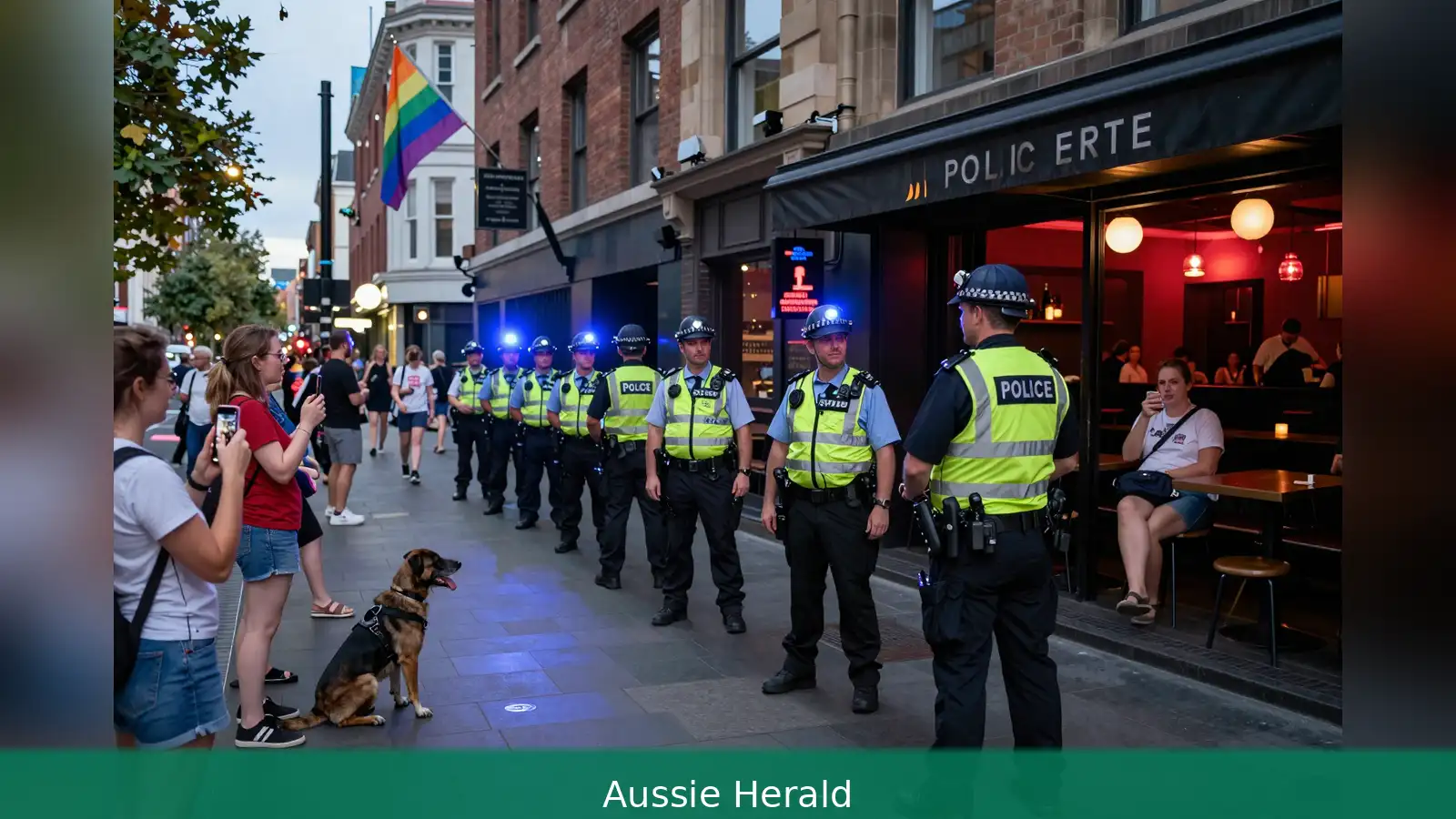
Forty-two drug detections from 93 searches, and just one person charged. That gap from a June 13 operation on Oxford Street has prompted the state watchdog to order a formal inquiry. On June 26 the Law Enforcement Conduct Commission directed the NSW Police commissioner to investigate complaints the raids were excessive and humiliating. NSW Police describe the night as an 'intelligence-led, prevention-focused, high-visibility policing operation in the Surry Hills area' and say officers recorded 42 drug detections and identified several Liquor Act offences, while community figures describe public strip-searches and heavy-handed tactics.
NSW Police described the night as routine enforcement in an entertainment precinct, while patrons and elected officials say the conduct was humiliating and excessive.
Police numbers and the operational account
On the night of June 13, officers moved through venues in the Darlinghurst and Oxford Street precinct, including Universal, Kinselas and Palms, conducting what the force called an intelligence-led, prevention-focused, high-visibility policing operation in the Surry Hills area. NSW Police reported 93 people were searched and 42 drug detections were recorded during the operation. The force also said it identified several Liquor Act offences and that a single person was charged over alleged drug offences.
Those operational figures are now the centrepiece of a public dispute over proportionality: supporters of the policing action point to the search and detection totals as evidence of targeted enforcement, while critics say the raw numbers don't justify the way searches were carried out.
Sydney MP Alex Greenwich and Sydney Lord Mayor Clover Moore lodged a complaint with the Law Enforcement Conduct Commission after patrons reported being shoved, pushed against walls, forced to remove clothing in full public view and questioned about using bathrooms. Greenwich and Moore wrote, "There is footage of humiliating searches in front of crowds," and Greenwich called the LECC response a "welcome first step."
Witnesses quoted by the ABC described groups of officers moving through venues with sniffer dogs, bright torches shone into patrons' faces and officers using abusive language. Kristoffer Vucak told the ABC he found the searches "really confronting" and said a young man was handcuffed and left standing on the street.

Others said the conduct recalled violent policing of LGBTQ events in earlier decades. Community groups and peak LGBTQ health organisations publicly criticised the operations as heavy-handed and warned the tactics could increase fear among patrons during Pride Month.
The LECC took the complaint file to the NSW Police commissioner and ordered the force to notify the commission of the action it proposed to take. The LECC told Greenwich and Moore that it had provided the complaint material to police on Monday to help timely preservation of potential evidence, including CCTV and body-worn camera footage.
The LECC said it would assess the NSW Police Force response and that the commission has statutory powers it can use to ensure the complaint is properly investigated.
The referral creates a formal oversight pathway: NSW Police must set out the remedial or disciplinary steps it proposes, and the LECC will then determine whether further action is warranted. The incidents were raised in state parliament this week as part of the growing political debate, and advocates pressed for independent scrutiny, pointing to the historical context of policing on Oxford Street as reason officers carry an added obligation to act with sensitivity and transparency.
NSW Police have been contacted for comment and, in public statements made before the LECC referral, framed the night as standard enforcement activity in entertainment precincts. Those statements acknowledged drug detections and Liquor Act breaches but framed the operation as prevention focused rather than punitive.
The dispute highlights a familiar tension between policing metrics and community trust. Numbers such as searches and detections are straightforward to report, but they don't capture the experience of those subjected to policing or the reputational damage that can follow when entire precincts, and historically marginalised communities, feel targeted.
For regulators and politicians, the question now is how the NSW Police Force will justify the operational choices it made and whether the force's proposed remedies will satisfy the watchdog that proper process was followed. The LECC's role is to test that answer against the evidence it has preserved, including video and body-worn camera material.
Related Articles
- Government backs down on 'widows tax' for 680,000
- £400,000 siphoned from SNP, Murrell jailed five years
- Shaman lied about 72-year-old's drug use, inquest hears
NSW Police must set out the remedial or disciplinary steps they propose; the LECC will assess that response and review preserved CCTV and body-worn camera footage before deciding whether further action is warranted.
This article was created with AI assistance.


