
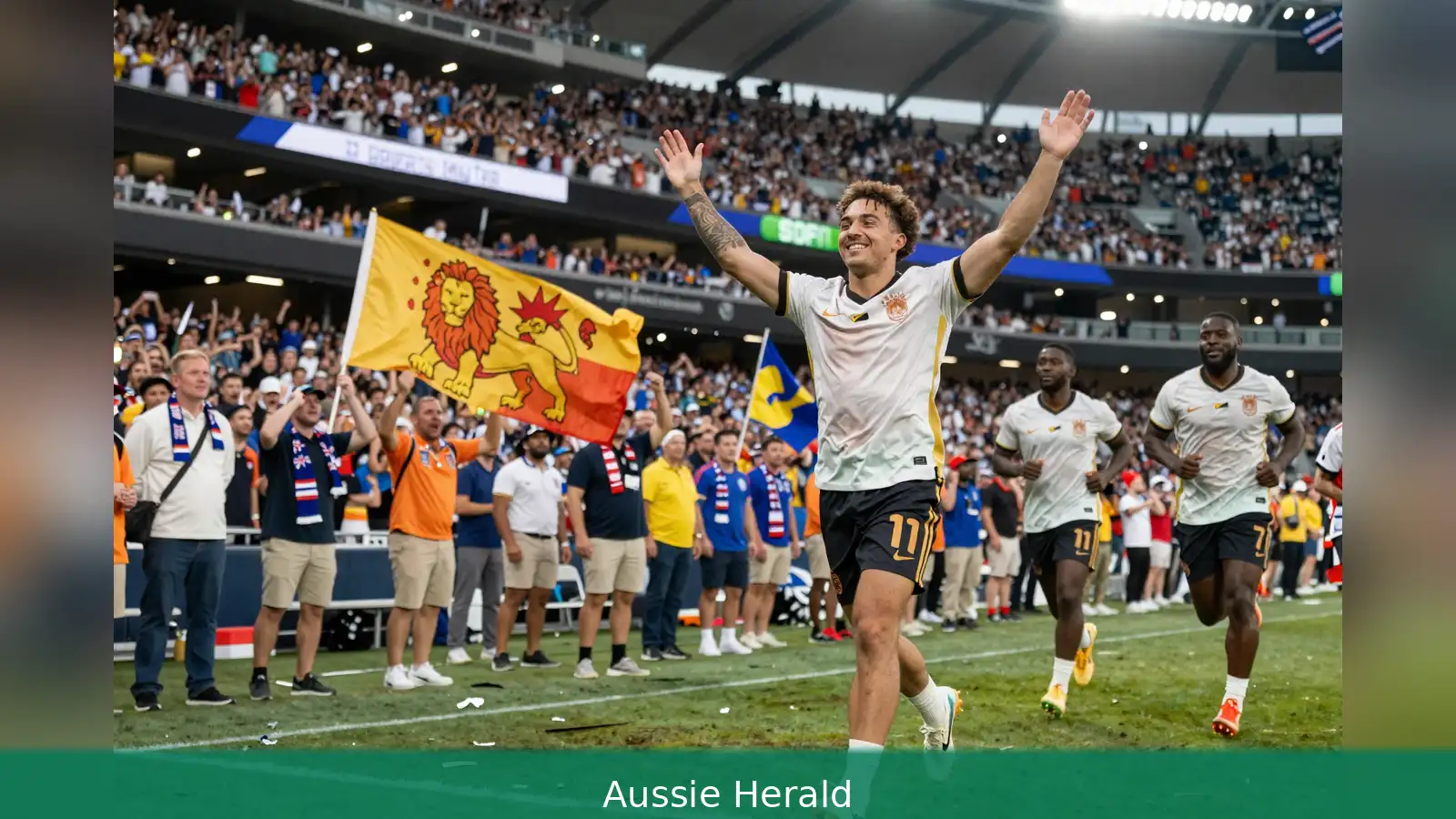
2-2. That was the final score when Iran and New Zealand opened Group G at the FIFA World Cup 2026 at SoFi Stadium in Los Angeles. New Zealand raced ahead through Elijah Just in the seventh minute, Iran fought back with Ramin Rezaeian and Mohammad Mohebbi, and Just’s second in the 55th minute completed his brace. The game kicked off at 9.00 pm Eastern Time on Monday June 15, which was 11.00 am AEST on Tuesday June 16, and was available to Australian audiences via SBS with international listings including Fox in the United States, BBC One in the United Kingdom and Zee5 in India.
2-2. The scoreline tells the immediate sporting story, but the match at SoFi Stadium carried layers beyond the result, from officiating details to political and logistical pressures that shaped Iran’s participation and the stadium atmosphere.
Match summary and key moments
Elijah Just opened the scoring for New Zealand in the seventh minute, converting an early chance that put the All Whites ahead and changed the tone of the fixture. Iran’s centre-back Ramin Rezaeian levelled in the 32nd minute, stabilising Iran after a nervy start. The second half began with New Zealand back in front when Just struck again in the 55th minute, a milestone strike that completed his brace. Iran equalised nine minutes later when Mohammad Mohebbi finished a cross into the box, producing the definitive 2-2.
The draw leaves both teams level on points and goal difference in Group G after the opening round of fixtures. For New Zealand the result is a landmark platform: the All Whites qualified through Oceania and arrived in the tournament as underdogs. A point against one of Asia’s stronger sides underlines their attacking potential. For Iran, a side that lost only once across 16 AFC qualifying fixtures, the result is a reminder that continental form doesn't automatically translate on the World Cup stage, especially when off-field pressures complicate preparation.
SBS carried the match in Australia. The fixture’s global kick-off was listed at 9.00 pm US Eastern Time on Monday June 15, which matched 11.00 am AEST on Tuesday June 16. For Australians following the tournament, the key practical points were simple: check the Australian broadcaster’s official World Cup schedule, use the network’s on-demand hub for replays and highlights, and allow for the local time difference when planning to watch live or to gather family and friends for a viewing.
International listings named Fox in the United States, BBC One in the United Kingdom and Zee5 in India. Live text coverage for global audiences was available on ESPN.
If you were planning to watch in Australia, the match timing meant a mid-morning fixture for weekday viewers, and the broadcaster’s replay and highlights services were the most convenient option for anyone unable to watch live.
For fans intending to travel to matches, the venue and local arrangements mattered. The game was at SoFi Stadium in Los Angeles, which required US entry arrangements and local transport planning. Supporters attending in person needed to check venue rules on prohibited items, and take into account FIFA and stadium operator restrictions on flags and political symbols that applied across World Cup stadia.

Match officiating details should be confirmed against FIFA’s official match report before publishing line-ups or substitution records. Those official notices are the authoritative source for any published refereeing details.
Pre-match team notes listed Iran’s experienced attackers including Mehdi Taremi and Mohammad Mohebbi among potential starters. New Zealand turned to captain Chris Wood and the tournament debutant Elijah Just in attack. The match also exposed squad-management issues for New Zealand: injury and late fitness concerns affected selection and required adjustments that New Zealand authorities confirmed after the game.
When publishing rosters, time the check to the release of the official FIFA team sheets. First, verify the final team sheets released by FIFA for both sides before kick-off. Second, confirm the officiating crew by using FIFA’s officiating appointment notices. Third, cross-check any post-match roster confirmations with the participating associations’ announcements to avoid mismatches between pre-match predictions and final records.
Political and logistical factors around Iran’s participation
Iran’s presence at the tournament was contested in the build-up. The Iranian Football Federation publicly threatened withdrawal, many team officials were denied US visas, and the squad relocated its base from Arizona to Tijuana, Mexico while arranging to fly into the United States for matches. Those moves forced Iran to adapt its training and travel schedule and shaped the team’s preparation ahead of the opener.
There were reports of diplomatic developments in the run-up to Iran’s first match, and the timing of those reports intersected with final travel and security arrangements for the Iranian delegation. Coaches and officials framed participation as an effort by players who made sacrifices to reach the tournament. Iran’s head coach Amir Ghalenoei told FIFA.com that despite recent problems and the difficult situation, the players had made sacrifices and retained technical capacity to achieve strong results, and that his public message was a hope for peace so people could enjoy football.
Those logistics and the wider context mattered inside the stadium as well. Los Angeles hosts a large Iranian diaspora and the match drew demonstrators outside SoFi Stadium before kick-off. Several hundred protesters gathered, and some displayed the pre-1979 Lion and Sun flag used by opponents of the Islamic Republic. FIFA had issued a ban on fans bringing that pre-revolution flag or other political apparel into World Cup stadia, but reporters observed numerous attendees carrying the banned flag or wearing its insignia through security without intervention.
Inside the ground, the Iranian national anthem met a mixed reception. Some sections of the crowd booed while other parts cheered Iran’s goals and supported the players. Shirvin Zeinalzadeh, a scholar of Iran at Arizona State University, told reporters that the majority in the stadium were cheering on Iran and that many fans who supported Iran were not necessarily Iranian by background. Assal Pahlevan, an organiser with Democracy for Iran, criticised the flag ban outside the stadium, saying the restriction curtailed protest at a sporting event.
When you are reporting or compiling a match guide, the following checklist from match reporting practices helps keep records accurate. First, use FIFA’s official match report as the primary source for final scores, timings, scorers, yellow or red cards, substitutions and the official list of match officials. Second, rely on the participating associations for roster changes confirmed after the match, including any replacement call-ups made because of injury. Third, cross-check broadcast listings with the networks named in pre-match schedules; in this case SBS in Australia and the international outlets listed above. Fourth, when describing protests or stadium enforcement, attribute quotes to named witnesses, organisers or academic commentators and cite the specific stadium or FIFA policy referenced.
Practical example: before publishing a story that cites the banned Lion and Sun flag being present at the stadium, quote the person who observed it and name their role. If you report that Iran relocated its training base from Arizona to Tijuana, cite the reporting that documented the move and confirm arrival arrangements used to get the team into the United States for the match day. These steps avoid repeating pre-match predictions as final line-ups, avoid misnaming match officials and make clear what's official record and what's observed at the venue.
The draw keeps Group G tightly contested after one round of fixtures. Iran’s tournament pedigree from AFC qualifying suggests they will still be a strong candidate to take points in the remaining matches, but the logistical disruptions and the crowd environment in Los Angeles showed how factors beyond form can affect performance. New Zealand will take confidence from a point and the historic performance of Elijah Just, and the result gives the All Whites something to build on as they prepare for their next fixture.
In short: First, the match finished 2-2 at SoFi Stadium with Elijah Just scoring twice for New Zealand and Ramin Rezaeian and Mohammad Mohebbi replying for Iran. Second, the match was broadcast in Australia by SBS and kicked off at 11.00 am AEST on Tuesday June 16. Third, Iran’s build-up included visa denials, a base relocation to Tijuana and reports of diplomatic developments shortly before the game. Fourth, refereeing was handled by match officials appointed by FIFA; confirm names via FIFA’s official match report.
Related Articles
- Negative gearing rules change for new builds from 2027
- Apple Reminders: 10 features most users miss
- How to claim JobSeeker: start 13 weeks early and avoid delays
The draw leaves both sides level in Group G after the opening round. New Zealand can take confidence from Elijah Just’s two goals; Iran must now steady itself after a troubled build-up that included visa denials and a last-minute relocation of its training base.
This article was created with AI assistance.


