
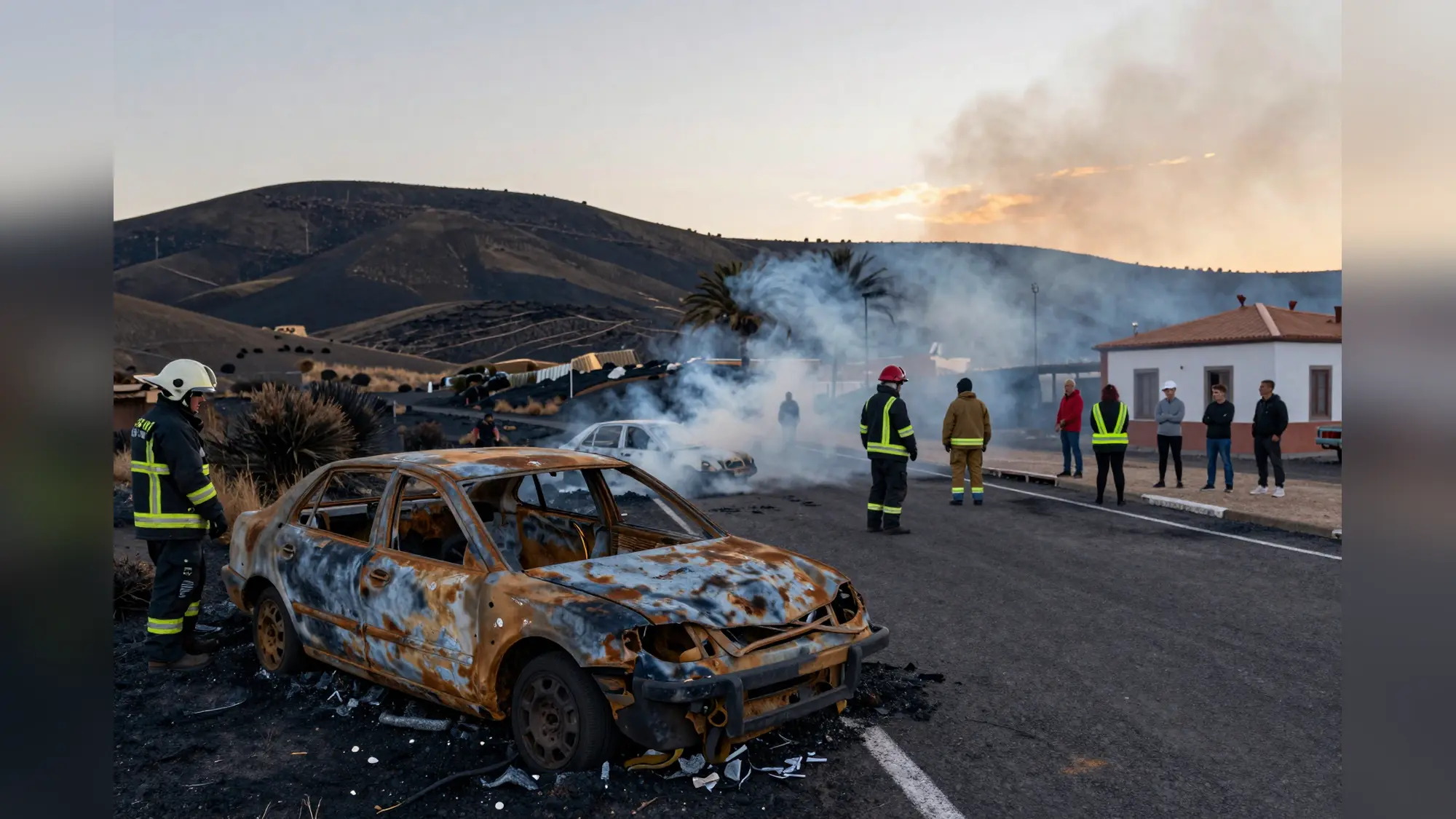
"The fire spread like gunpowder," said Juan Manuel Moreno, Andalusia's regional leader, after a fast-moving wildfire on July 10 in the Los Gallardos and Bédar area of Almeria province. The blaze killed at least 12 people and left 23 others unaccounted for, authorities said, as temperatures approached 40C and strong winds fanned flames through woodland and scrub. Evacuations closed roads, aircraft joined ground crews at first light, and around 50 people were sheltered in a local cultural centre while hospitals treated several injured. Officials warned the toll could rise as search and identification work continues and relatives around the world sought information.
"An rare tragedy," said Antonio Sanz, head of emergencies for Andalusia, as rescue teams recovered bodies in and around the hamlet of Bédar and the wider Los Gallardos area. Emergency services found 12 people dead, many of them outside or beside vehicles, and 23 people remained unaccounted for while teams continue the search.
Rescue teams recovered bodies in burned vehicles and beside roads, and officials said one of the deceased was Spanish while the remainder appeared to be foreign nationals. Many charred bodies still require DNA tests before they can be formally identified. Reuters reported that four people were found in one burned-out car that had a right-hand drive and were believed to be British, and several other victims were discovered after apparently leaving their vehicles and attempting to flee on foot.
Regional authorities said 23 people were unaccounted for after the July 10 inferno swept into populated and rural areas. They warned that the human and consular fallout would extend beyond Spain, with relatives using social media and local networks to seek missing family members.
Strong winds and extremely dry vegetation made containment hard. Officials described the blaze as exceptionally rapid, with Moreno calling it "one of the quickest and most complex we've seen." The fire ripped through woodland and scrubland in the afternoon, when temperatures neared 40C, turning pockets of flame into fast-moving fronts that reached roads and settlements.

Witnesses told investigators a power line may have fallen and ignited dry plants, but officials said the origin remains under investigation. The event came during an early start to Spain's wildfire season after successive heatwaves left large areas parched.
The European Forest Fire Information System reported about 57,000 hectares had burned in Spain so far this year, roughly half the two-decade annual average.
Firefighters and emergency teams mounted an immediate response, evacuating residents and fighting fires from the ground while aircraft rejoined operations at first light. Local and regional teams handled initial containment and search work, hospitals treated several injured people including one with serious burns and another with smoke inhalation, and authorities sheltered roughly 50 evacuees in a cultural centre.
Spain's national and regional leaders issued condolences and pledged support. Consular services were engaged to help families of foreign nationals, and officials said additional emergency units would augment firefighting efforts as searches continue.
How does this fit with Spain's recent wildfire history?
The Los Gallardos blaze ranks among Spain's deadliest recent fires and follows a year of intense heat. AEMET, the national weather agency, said 2025 was the country's third-warmest year on record. Last August's heatwave produced Spain's worst wildfire season in decades, burning about 330,000 hectares, and authorities had promised a larger summer wildfire response this year.
Yet the early and rapid nature of the July 10 fire exposed persistent vulnerabilities in preparedness and vegetation management, national leaders acknowledged. The speed and timing of the blaze have revived comparisons with past deadly Mediterranean fires and intensified scrutiny of how resources are deployed when the season starts sooner than usual.
Related Articles
- Four injured as slingshot ride snaps at Seville fair
- NATO rift widens as US weighs measures against UK, Spain
Additional emergency units will join firefighting and search teams as identification work and DNA tests continue, and regional officials warned the death toll could rise. Originally reported by Reuters.
This article was created with AI assistance.


