
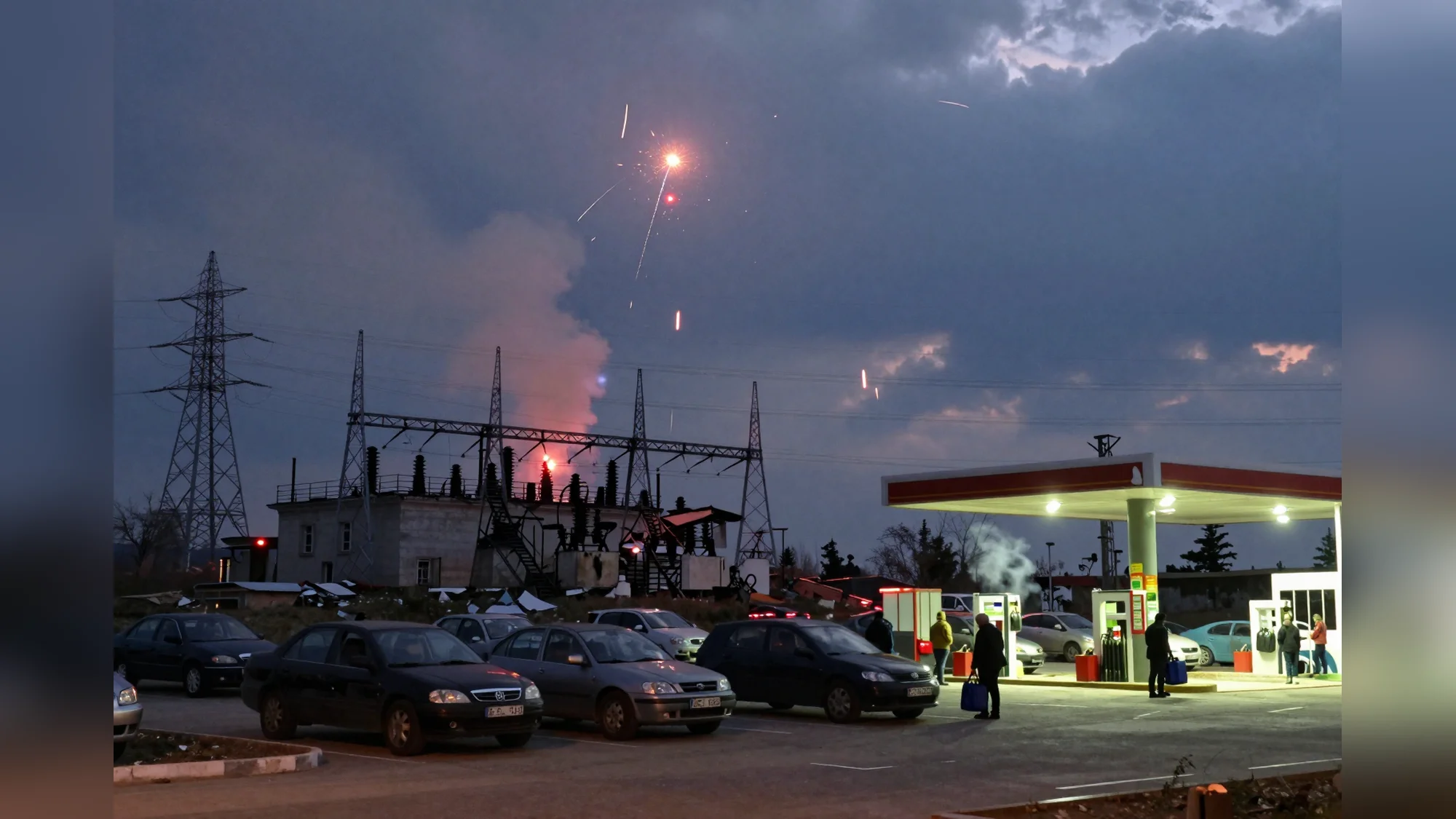
Under the intermittent glow of anti-aircraft flares over Sevastopol, Russian-installed authorities declared a state of emergency after a fresh wave of Ukrainian strikes. Kyiv has targeted power infrastructure, oil facilities and transport nodes across Russian-annexed Crimea, aiming to sever supply lines to forces based on the peninsula. Ukraine calls the campaign a form of "long-range sanctions", and commanders say Sevastopol's main power substation has been hit repeatedly. Kremlin-aligned commentators expect Kyiv to press harder at supply routes and the Kerch Bridge in the weeks ahead.
Anti-aircraft flares lit the night sky over Sevastopol as drones and long-range strikes hit key infrastructure across Crimea, Russian-installed officials said.
What happened
Ukrainian strikes over recent weeks have struck Sevastopol's main power substation multiple times, battered refineries and hit transport links that connect the peninsula to mainland Russia. Volodymyr Zelenskyy described strikes on a Crimean oil depot and an oil transport facility in Russia's Krasnodar region as part of a campaign of "long-range sanctions" against Russia. Robert Brovdi, commander of Ukraine's drone forces, said Kyiv struck Sevastopol's main power substation multiple times in the early hours of a recent Wednesday.
Russian-installed authorities moved civilians into emergency measures. Sergei Aksyonov, the Russian-appointed governor of Crimea, announced that civilian fuel sales were suspended until at least Wednesday and ordered fuel to be reserved for government agencies that "ensure the functioning and security of the Republic of Crimea." Officials also warned of restricted electricity as repair crews stood down during frequent air raid alerts.
Impact on logistics and daily life
The tactical aim is clear: disrupt the logistics corridors that keep Russian forces supplied. Kyiv has focused on road routes through occupied southern Ukrainian cities and the Kerch Bridge, forcing Moscow to reroute rail and road traffic and to rely on highway shipments that Ukrainian forces are now targeting.

On the ground, the strikes have produced cascading civilian effects. Large-scale power outages hit Sevastopol and other towns, leaving residents without reliable electricity.
A resident speaking to the BBC described conditions inside Crimea as "catastrophic." Journalists and analysts report long lines at petrol stations, sharp rises in petrol prices, thousands of vehicles waiting at the Kerch Strait crossing at one point, and mass cancellations of tourist bookings that normally sustain the peninsula during the summer season.
Ukrainian drone units have targeted hundreds of trucks ferrying fuel, ammunition and other supplies along the so-called land bridge that links Crimea to Russia through occupied territory. Cargo traffic into and out of Crimea has been intermittently attacked, and Russian-installed transport authorities tightened inspections at the Kerch crossing. State figures cited by regional media showed thousands waiting to leave Crimea at one point.
The Kerch Bridge remains a focal point. Moscow curtailed rail fuel shipments after a 2022 attack that set a fuel train ablaze, and the recent campaign has pushed more logistics operations onto the overland highway routes that Kyiv is now attacking. Voices close to the Kremlin told analysts in the Russian media that Ukraine is likely to intensify attempts to strike the Kerch Bridge in the weeks ahead.
Analysts in Kyiv and abroad say the strikes form part of a wider Ukrainian approach that uses expendable long-range systems and drones to impose recurring costs on occupation infrastructure. The pattern is intended to complicate Moscow's ability to sustain forces in southern Ukraine while also exerting domestic pressure inside Crimea by disrupting everyday services and seasonal tourism revenue.
Crimea has strategic and symbolic weight for President Vladimir Putin. Russia annexed the peninsula in 2014 and Sevastopol hosts the headquarters of Russia's Black Sea Fleet. Reclaiming Crimea has been a stated strategic objective for Ukraine since Volodymyr Zelenskyy took office in 2019, and the current ramp-up marks a deliberate shift toward attacking rear-area logistics and infrastructure rather than solely front-line positions.
Officials remain on emergency footing. Analysts in Russian media say Kyiv is likely to intensify strikes on the Kerch Bridge and land-bridge routes, disrupting supplies to forces on the peninsula.
This article was created with AI assistance.


